- Call Us :+86 13663796880
- Email :nicole@sfrooftile.com
- Working hours :24 hours a day
- Language :Chinese

Nicole Zhang
+86 13663796880
+86-379-63262958
nicole@sfrooftile.com
Yellow glazed tiles are among the most recognizable features of traditional Chinese architecture. Their rich golden color and glossy surface can be seen on many historic palace buildings, temples, and important architectural complexes. Beyond their decorative appearance, these roof tiles carry cultural meanings connected to imperial authority, traditional philosophy, and the architectural hierarchy of ancient China.
Understanding their history helps explain why yellow glazed roofs became such a distinctive part of China's architectural heritage.
Glazed tiles have a long history in Chinese architecture. They were used on important buildings in early periods and became increasingly prominent during the Ming (1368–1644) and Qing (1644–1911) dynasties.
During these periods, glazed ceramic components were widely used in imperial palaces, temples, mausoleums, and other significant architectural complexes. Yellow became one of the most recognizable colors in official palace architecture.
The Forbidden City in Beijing is a well-known example. Its major palace halls feature yellow glazed tile roofs, creating a distinctive contrast with the red walls and painted timber structures below.

In traditional Chinese culture, yellow was associated with the center, the earth, and the Five Elements philosophy. It also became closely connected with imperial authority and the status of the emperor.
This cultural meaning was reflected in ancient architectural regulations. Roof tile colors were not selected purely for personal preference; their use could indicate the status and function of a building.
Yellow glazed tiles were associated with the highest levels of traditional architectural hierarchy, particularly imperial buildings. Certain religious or ceremonial buildings could also receive special authorization to use them. Therefore, their historical use should be understood within the broader context of ancient Chinese building regulations.
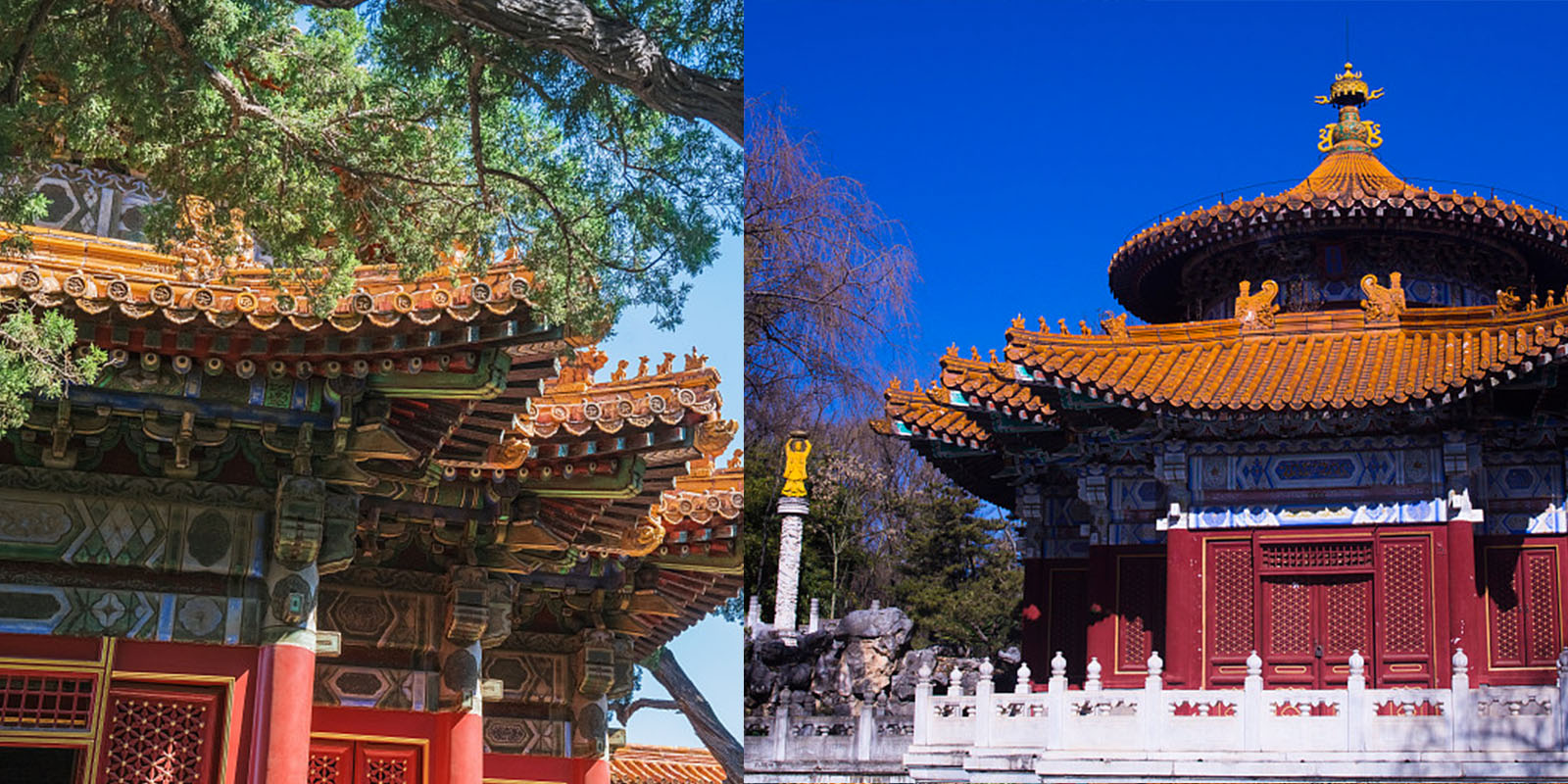
Yellow glazed roof tiles are valued for both their appearance and their role as architectural components.
Their main characteristics include:
Golden glaze: The yellow surface creates a bright visual effect under natural light.
Ceramic body: The tiles are made from shaped clay bodies that are fired in a kiln.
Curved profiles: Traditional flat tiles (pan wa) and barrel tiles (tong wa) work together to form the roof surface.
Decorative details: Ridge ornaments, eave tiles, and other glazed components complete the roof design.
The yellow glaze itself is also a product of traditional ceramic technology. Scientific research on historical Chinese glazed tiles has identified iron compounds as important coloring agents in yellow and brown glazes, with the final tone influenced by glaze composition and firing conditions.
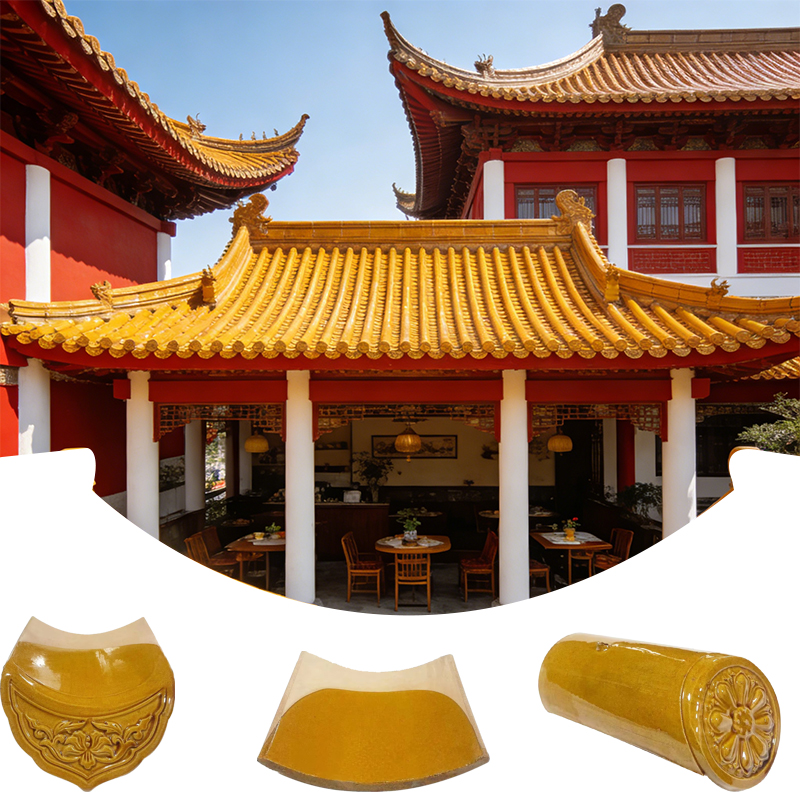
Yellow glazed tiles are closely associated with several types of traditional Chinese architecture:
Imperial palaces: Major palace halls in the Forbidden City are among the best-known examples.
Mausoleums: Important imperial burial complexes also used glazed architectural components.
Religious buildings: Some temples and ceremonial structures incorporated yellow glazed tiles.
Cultural architecture: Contemporary heritage-inspired buildings may use yellow glazed tiles to reflect traditional Chinese architectural styles.
These applications demonstrate how roof color, building function, and cultural meaning work together in traditional architecture.
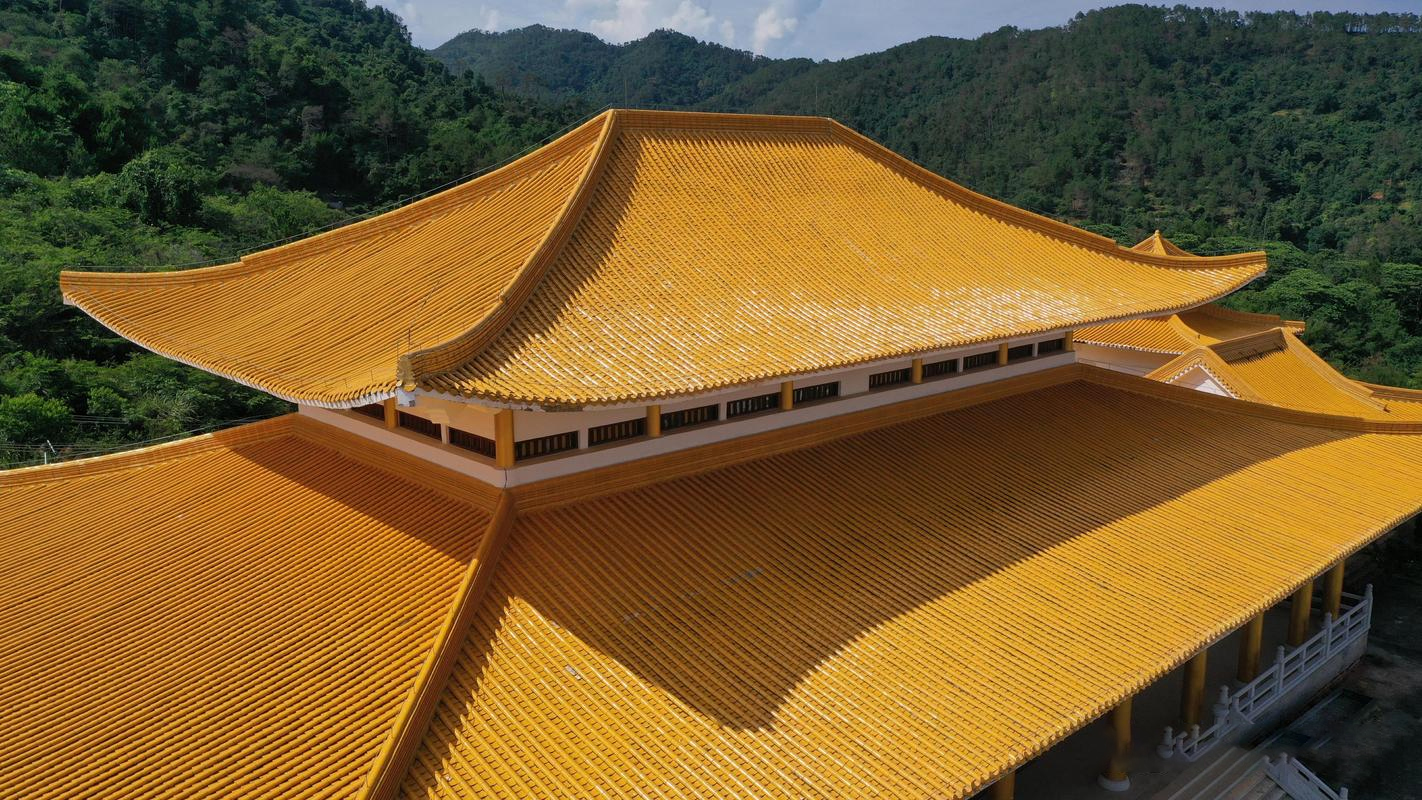
Today, yellow glazed roof tiles continue to appear in traditional-style buildings, cultural tourism projects, temple renovations, and heritage-inspired landscape architecture.
When selecting tiles for a new project or restoration, it is important to consider more than color. Tile profiles, dimensions, glaze finish, roof structure, and the compatibility of ridge and eave components should all be reviewed together.
For heritage restoration, matching the original tile color, surface gloss, and architectural details is especially important. The aim is to preserve the character of the historic building rather than simply reproduce a similar-looking roof.
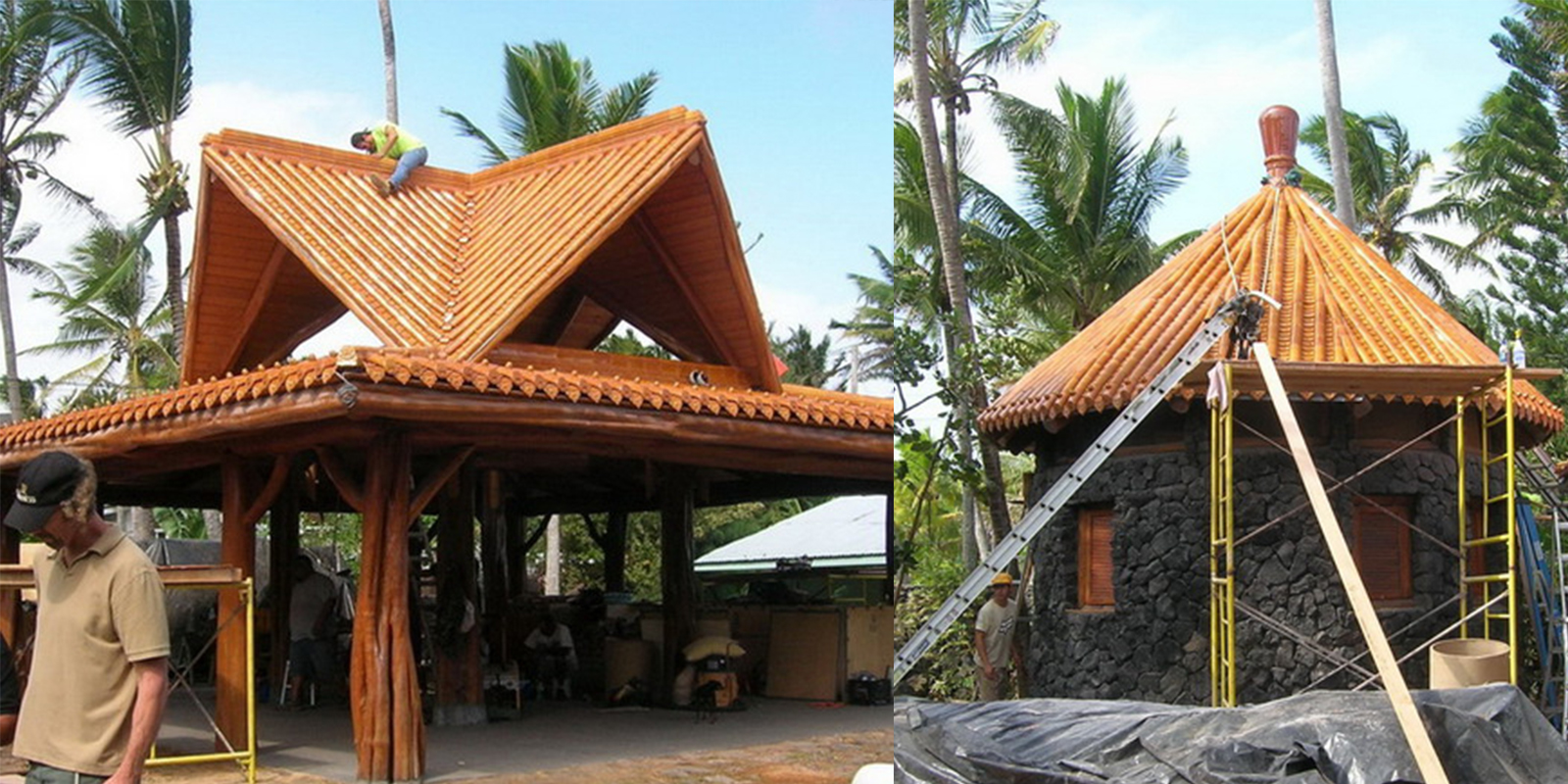
Yellow glazed tiles represent more than a traditional roofing material. Their history reflects the relationship between Chinese ceramic craftsmanship, architectural design, and cultural values. From imperial palace roofs to contemporary traditional-style projects, they remain an important element of Chinese architectural identity.