- Call Us :+86 13663796880
- Email :nicole@sfrooftile.com
- Working hours :24 hours a day
- Language :Chinese

Nicole Zhang
+86 13663796880
+86-379-63262958
nicole@sfrooftile.com
Modern garden design increasingly draws inspiration from traditional architecture. Natural materials, balanced proportions, and connections between buildings and landscapes are becoming important elements in outdoor spaces. Among these influences, traditional Chinese architectural details offer a distinctive design language that can be adapted to contemporary gardens without recreating an entire historical setting.
From wooden structures and Chinese roof tiles to curved eaves and decorative details, these elements can introduce an Oriental character while remaining compatible with modern landscape design.
Traditional Chinese architecture has a close relationship with natural materials, particularly wood, clay, and stone. These materials can also work well in contemporary garden settings.
Wooden structures are a practical starting point. Timber columns, beams, and open-sided frameworks can create shaded areas for seating, relaxation, or viewing the surrounding landscape. Their natural color and texture also complement plants, stone pathways, and water features.
Rather than using elaborate decoration throughout the garden, designers can keep the overall structure relatively simple and allow the natural materials to define its character.
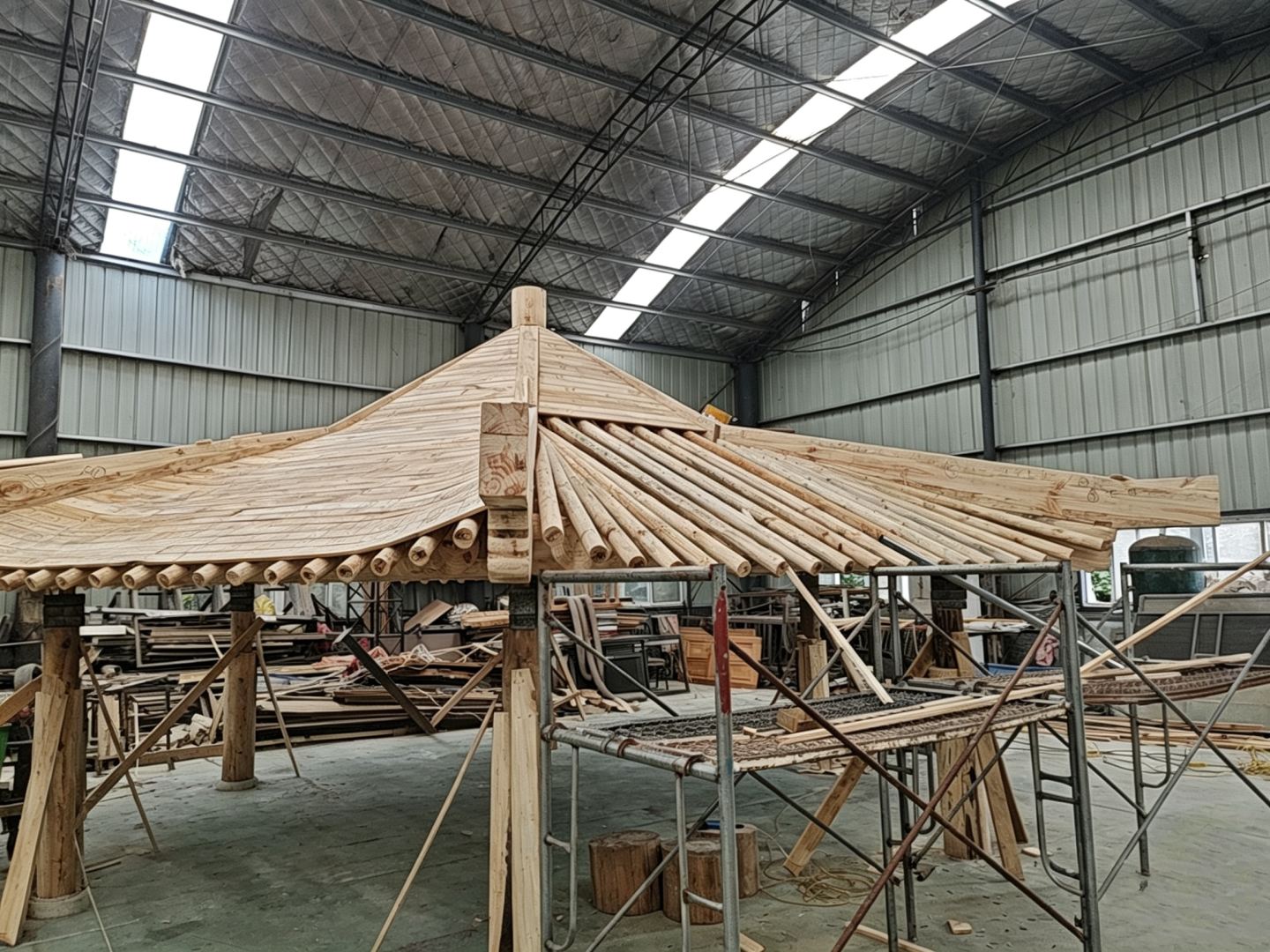
The roof is often one of the most recognizable features of traditional Chinese architecture. Chinese roof tiles, together with curved eaves and distinctive roof profiles, can give a garden structure a clear architectural identity.
For a contemporary garden, traditional Chinese roof tiles can be used on a wooden pavilion, garden shelter, or entrance structure. Grey clay roof tiles offer a restrained appearance with natural surface texture, while glazed roof tiles introduce stronger colors and a more decorative effect.
The key is to consider the roof as part of the overall composition. Its shape, color, and proportions should relate to the wooden framework and the surrounding landscape rather than appear as an isolated decorative feature.
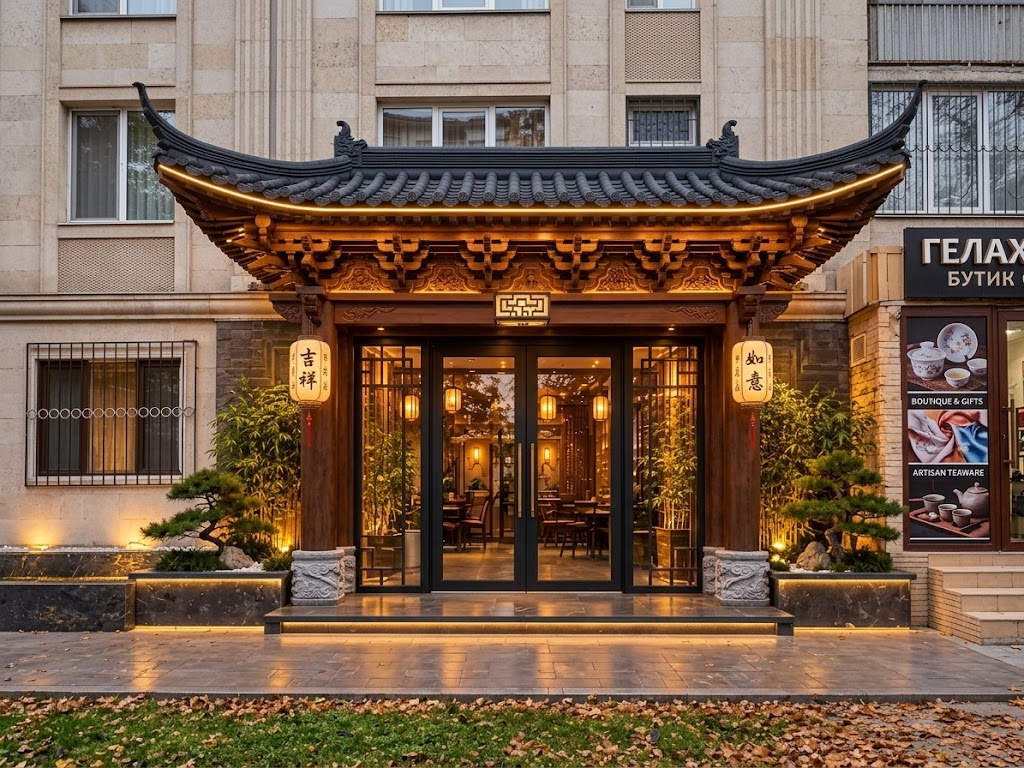
A contemporary garden does not need to reproduce every detail of a traditional Chinese courtyard. Selective use of architectural elements often creates a more balanced result.
For example, a simple timber pavilion with a traditional tiled roof can be placed beside a modern stone pathway or a minimalist water feature. The contrast between traditional roof forms and clean landscape lines creates visual interest without making the space feel overly decorative.
Designers can also introduce traditional details through timber screens, decorative roof accessories, stone elements, or patterned walls. The number of decorative features should be guided by the scale and purpose of the space.
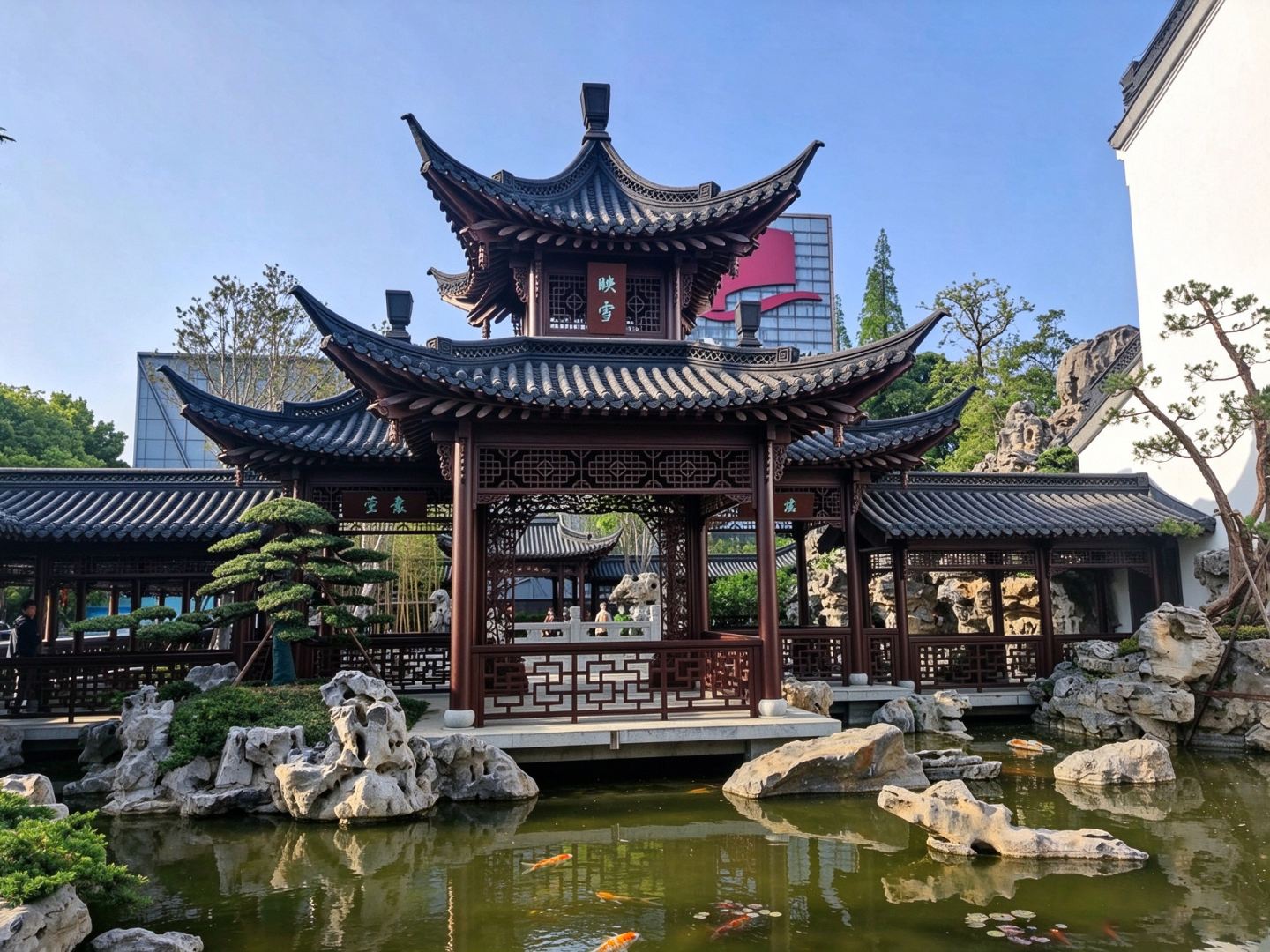
Traditional Chinese garden design places importance on the relationship between built structures and natural scenery. A pavilion is not simply an independent building; its position, viewing direction, and relationship with plants, rocks, and water all influence the experience of the garden.
This idea can be applied to contemporary landscape projects. A wooden pavilion can frame a garden view, provide a shaded resting area, or create a transition between different outdoor zones.
The roofline should also be considered from different viewing angles. A well-positioned structure can become a focal point while maintaining an open connection with its surroundings.
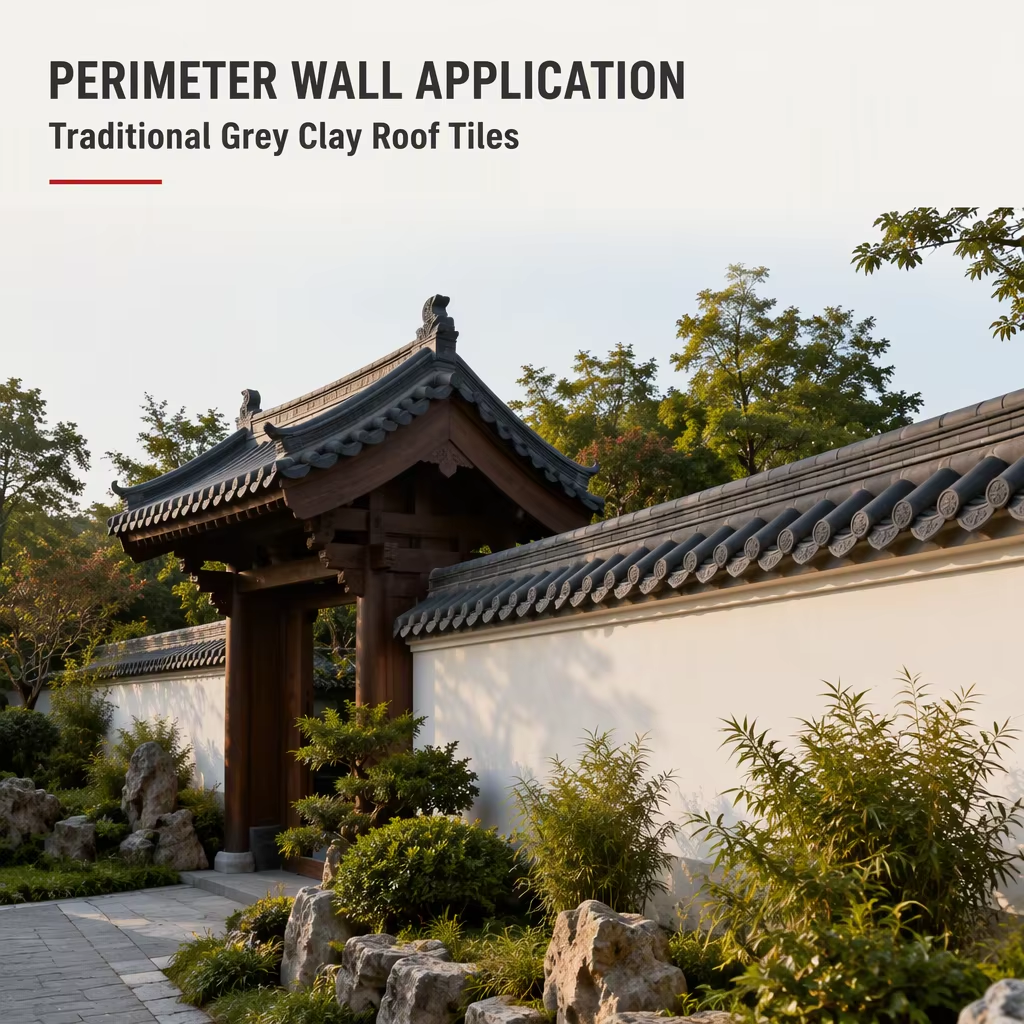
Before incorporating traditional Chinese architectural elements, consider the project's overall style, available space, and intended use.
A private garden may benefit from a small wooden structure with grey clay roof tiles, while a cultural landscape or resort project may call for more decorative glazed roofing and carefully selected architectural details.
Material selection should also account for structural requirements, local weather conditions, maintenance needs, and installation methods. Traditional appearance and practical performance need to be considered together.
Bringing Oriental architectural details into contemporary garden design is not about copying historical buildings. It is about understanding the relationship between materials, structure, roof forms, and natural surroundings.
By combining wooden structures, Chinese roof tiles, and carefully planned landscape elements, designers can create outdoor spaces that reflect traditional architectural character while responding to modern design needs.