- Call Us :+86 13663796880
- Email :nicole@sfrooftile.com
- Working hours :24 hours a day
- Language :Chinese

Nicole Zhang
+86 13663796880
+86-379-63262958
nicole@sfrooftile.com
The curved roof is one of the most recognizable features of traditional Chinese architecture. From garden pavilions and courtyard houses to temples and cultural buildings, its shape contributes greatly to the character of a structure.
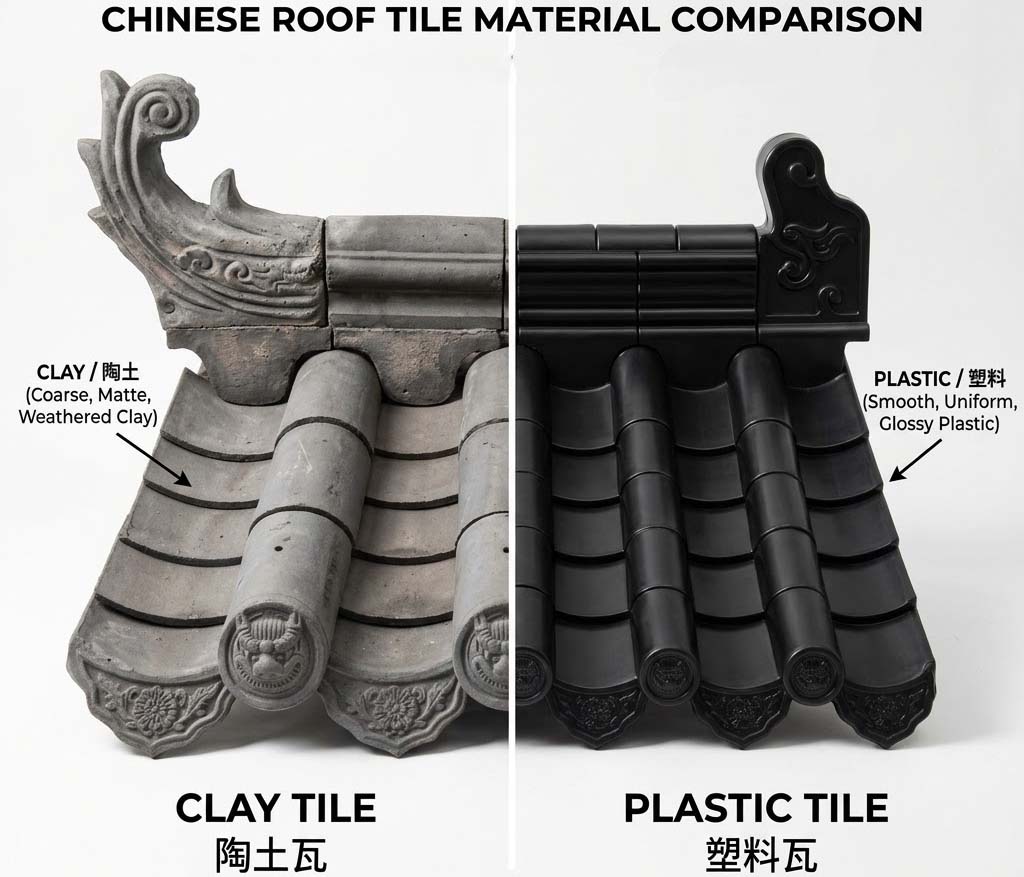
Today, traditional grey clay roof tiles and Chinese-style plastic roof tiles offer two different ways to create this architectural appearance. Although both can follow traditional Chinese roof profiles, their material character and visual effects are not the same. Understanding these differences helps designers choose materials that suit the atmosphere and purpose of a building.
Grey clay roof tiles have a long association with traditional Chinese buildings. Made from natural clay and fired at high temperatures, these unglazed tiles develop a distinctive grey surface with subtle variations in texture and tone.
When arranged in overlapping rows, the tiles create a layered roof surface. Their natural appearance works particularly well with timber columns, wooden brackets, stone details, and traditional courtyard settings.
For restoration projects or new buildings inspired by historic architecture, clay tiles help retain the visual connection with traditional construction materials. They are not simply a roof covering; they are part of the architectural character.
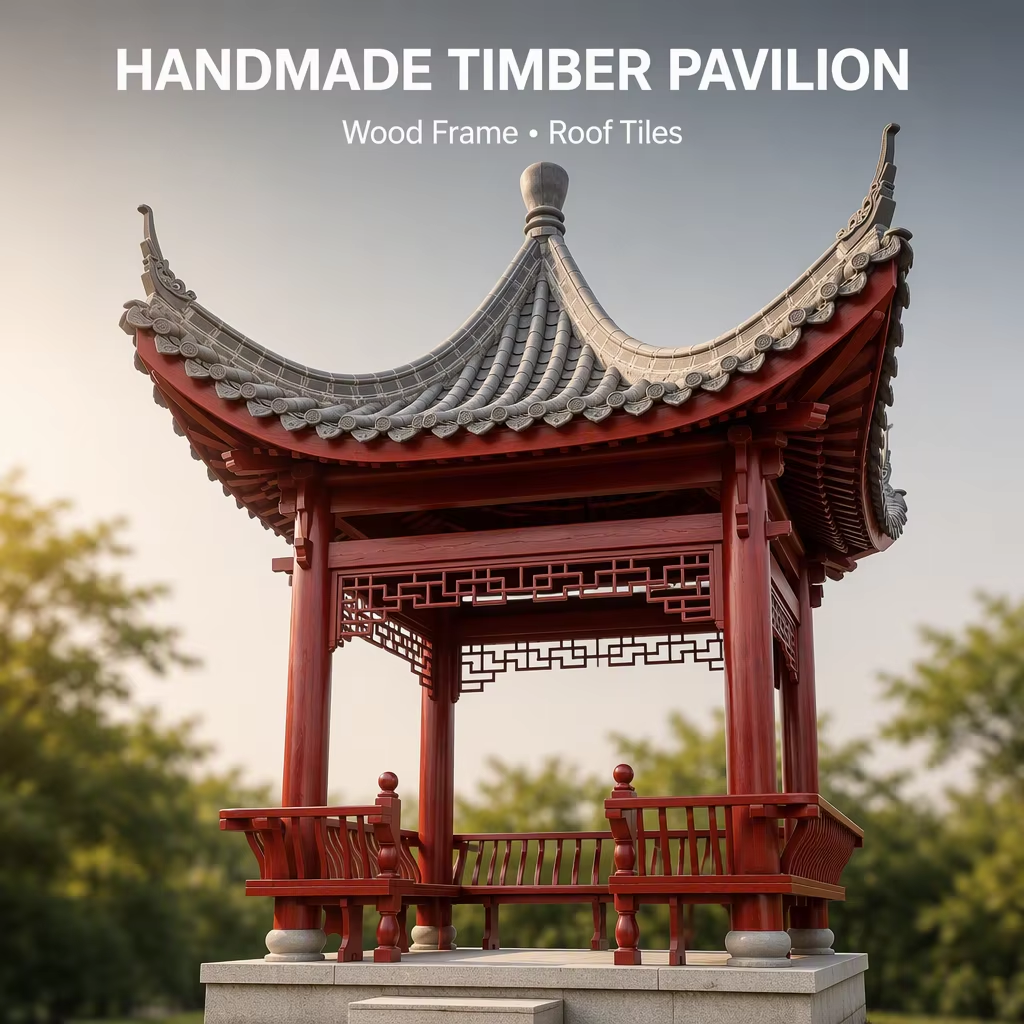
Chinese-style plastic roof tiles approach traditional roofing from a different direction. Manufactured from synthetic materials, they are molded into shapes that reproduce the familiar curves and overlapping profiles of traditional Chinese tiles.
Their appearance is generally more uniform than natural fired clay. Depending on the product design, color and surface finish can be selected to create a coordinated roof appearance.
This makes plastic tiles an option for contemporary garden structures, small gazebos, and decorative buildings where designers want to reference traditional Chinese roof forms while using modern materials.
They do not reproduce every detail of traditional clay craftsmanship, but they offer another way to interpret familiar architectural shapes.
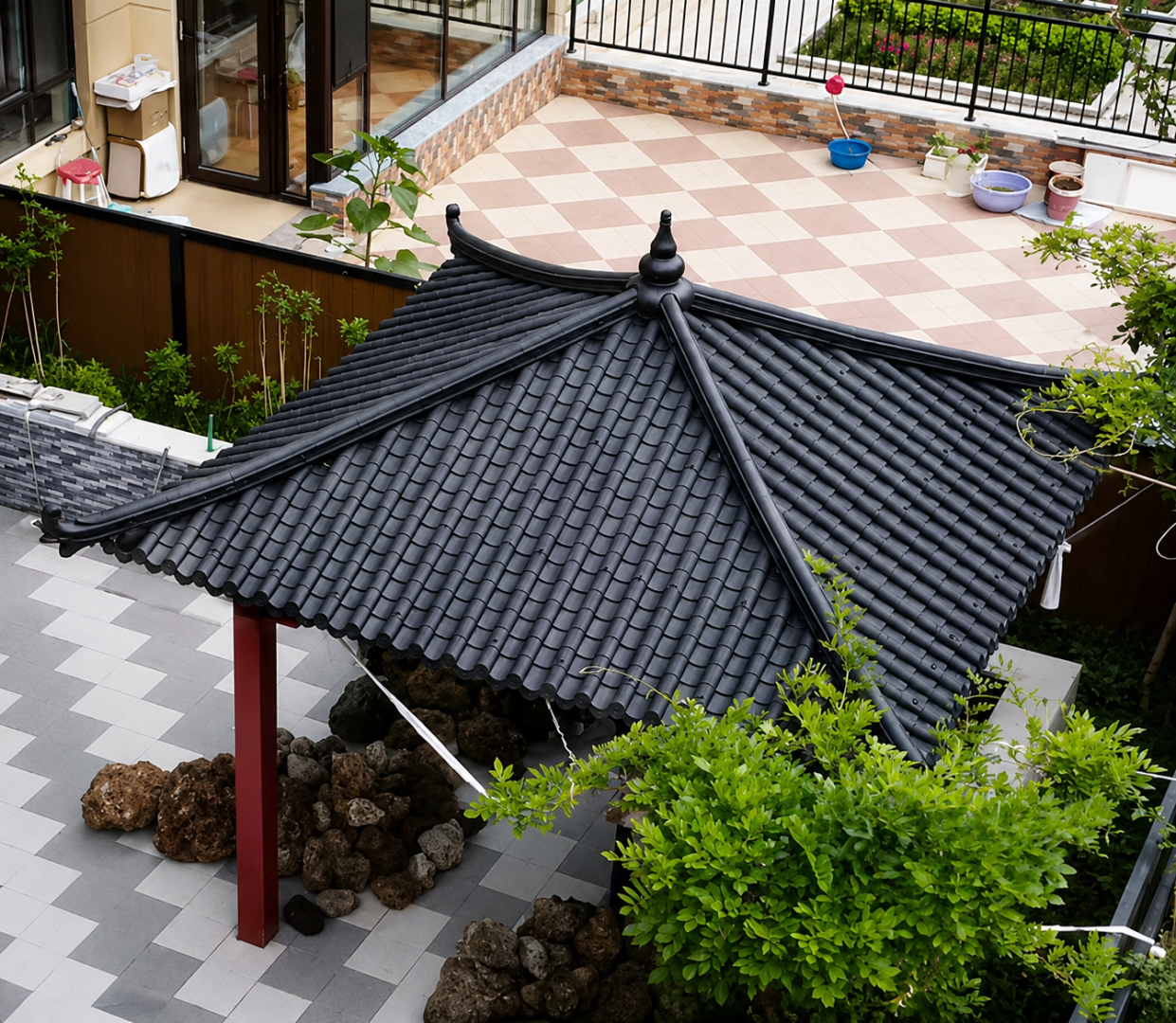
The difference between clay and plastic becomes more noticeable when viewed across an entire roof.
Grey clay tiles create a natural, slightly varied surface. Their texture and muted color can make a building feel more connected to traditional surroundings. Under changing daylight, the individual tiles produce subtle differences in tone and shadow.
Plastic roof tiles generally create a more consistent surface. Their molded profiles help establish a clear roof pattern, while their color and finish influence the overall visual effect.
Neither appearance is automatically better. The decision depends on whether the design calls for the natural character of traditional materials or a more uniform interpretation of a traditional roof.
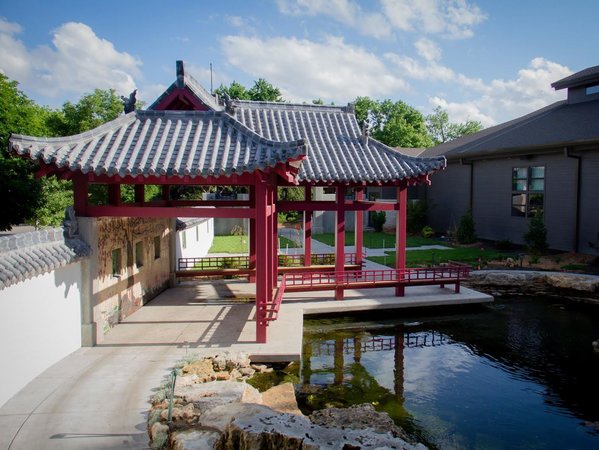
The surrounding architecture plays an important role in material selection.
The architectural context should guide the decision rather than appearance alone.
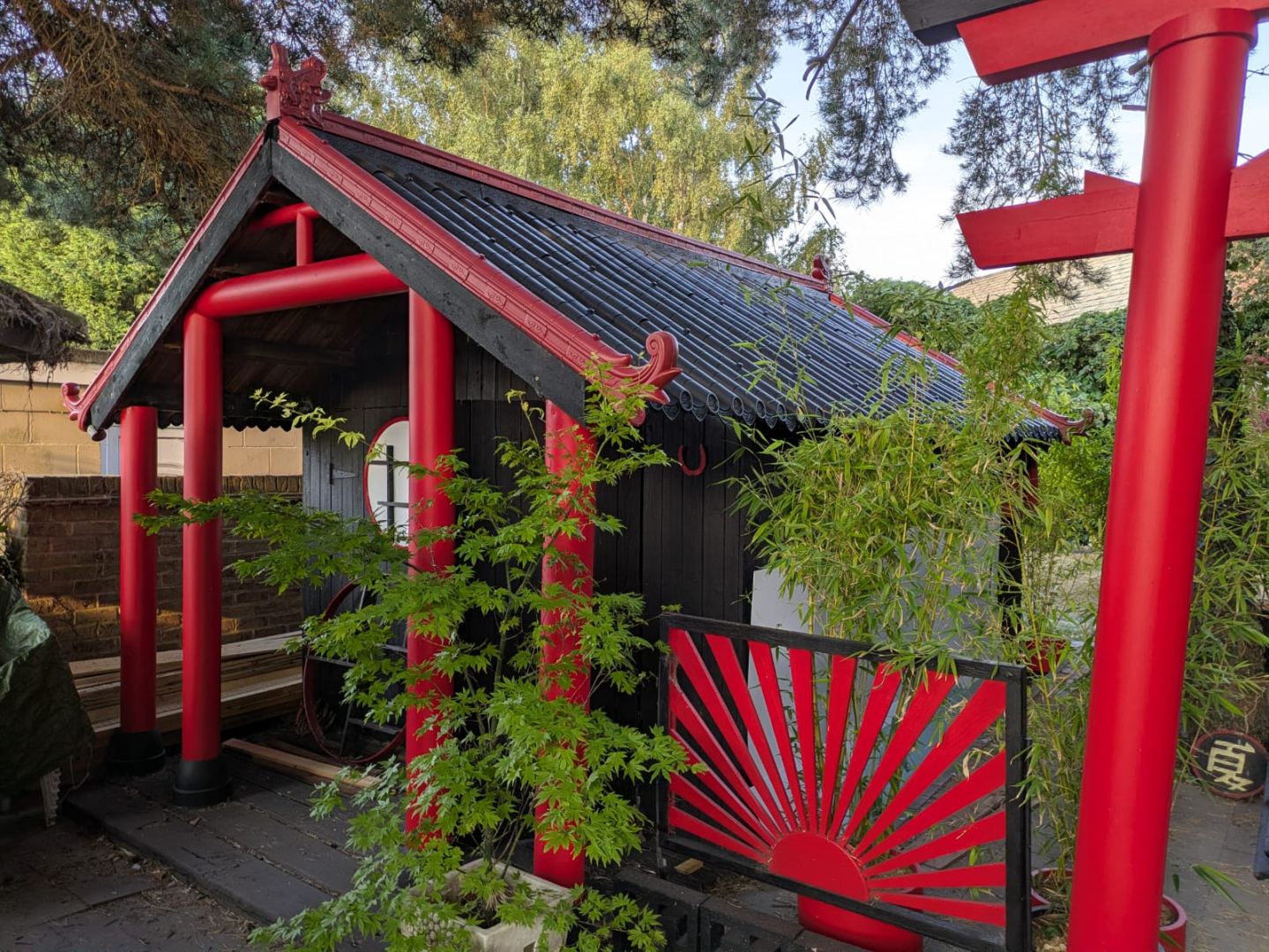
Traditional Chinese roof design is recognized not only by its curved silhouette but also by the materials, proportions, and construction details that shape its appearance.
Grey clay roof tiles maintain a close connection with traditional craftsmanship and natural building materials. Chinese-style plastic roof tiles represent a modern interpretation of familiar roof forms, offering different possibilities for selected architectural and landscape applications.
At Dannuo Gardens, both traditional clay roof tiles and Chinese-style plastic roof tiles are available for different building requirements. Whether a project follows traditional architectural principles or explores a contemporary interpretation, the choice of roofing material can make a meaningful difference to the final character of the space.