- Call Us :+86 13663796880
- Email :nicole@sfrooftile.com
- Working hours :24 hours a day
- Language :Chinese

Nicole Zhang
+86 13663796880
+86-379-63262958
nicole@sfrooftile.com
In architectural design, materials play an important role in defining the atmosphere and identity of a building. Beyond structure and function, the surface texture of walls can influence how a space feels, connecting architecture with natural surroundings.
Clay split tiles are a ceramic material that brings warmth, depth, and a handcrafted character to architectural surfaces. With their natural clay texture and rich earthy tones, they are increasingly used by architects and designers who seek a balance between traditional craftsmanship and contemporary design.
Clay has been used in architecture for thousands of years because of its unique relationship with nature. After high-temperature firing, clay develops a durable ceramic surface with distinctive colors and textures.
Unlike some industrial facade materials with uniform finishes, terracotta wall tiles often show subtle variations created by the natural properties of clay and the firing process. These details give walls a more organic appearance and help create a sense of authenticity.
For architects, this natural character makes clay materials suitable for projects that require warmth, texture, and visual depth.
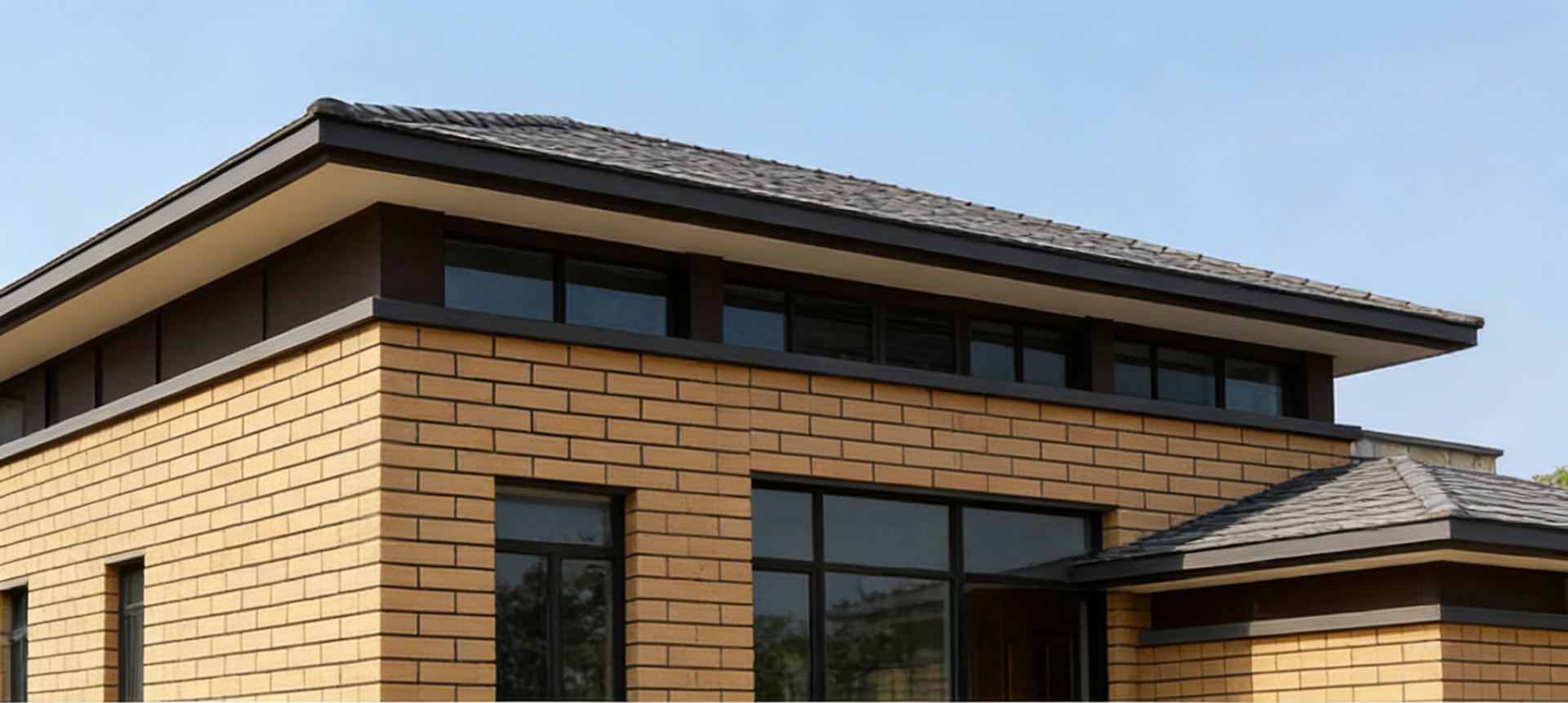
One of the advantages of clay split tiles is their ability to create different visual effects through installation patterns.
Depending on the design concept, they can be arranged to achieve:
The smaller tile format allows designers to introduce detailed surface expressions while maintaining a consistent overall appearance.
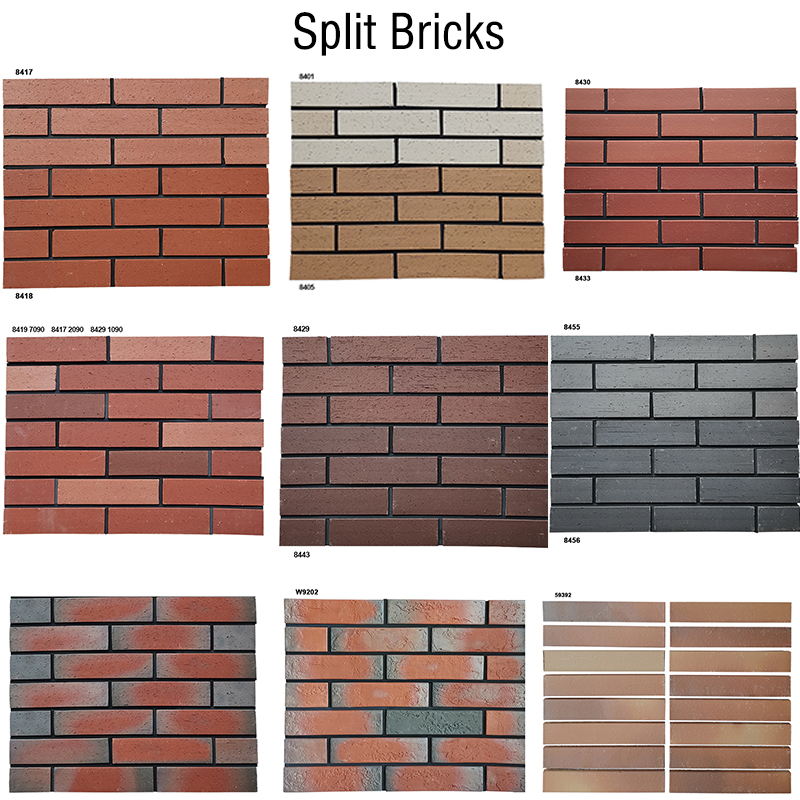
Although clay materials have a long history in traditional buildings, modern applications continue to expand.
Today, clay split tiles can be found in various architectural environments, including:
By combining ceramic texture with modern design principles, clay tiles can adapt to different architectural styles rather than being limited to one specific tradition.
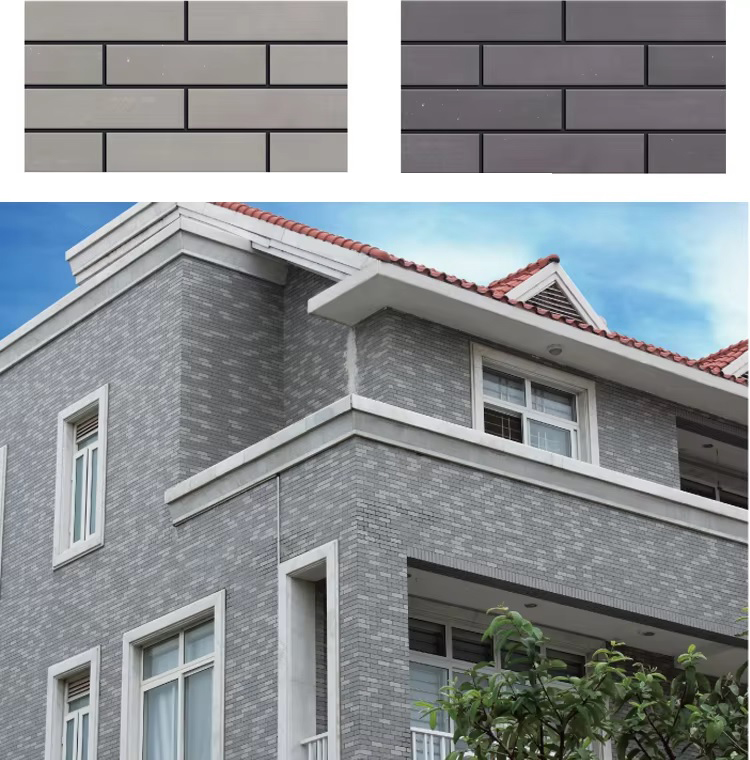
The appeal of clay split tiles comes from the balance between craftsmanship and practicality. Their ceramic surface provides a natural material expression, while their flexible format allows designers to integrate them into different creative concepts.
When combined with materials such as wood, stone, metal, or glass, clay tiles can create contrast and visual harmony. This makes them suitable for both traditional-inspired spaces and contemporary architectural projects.
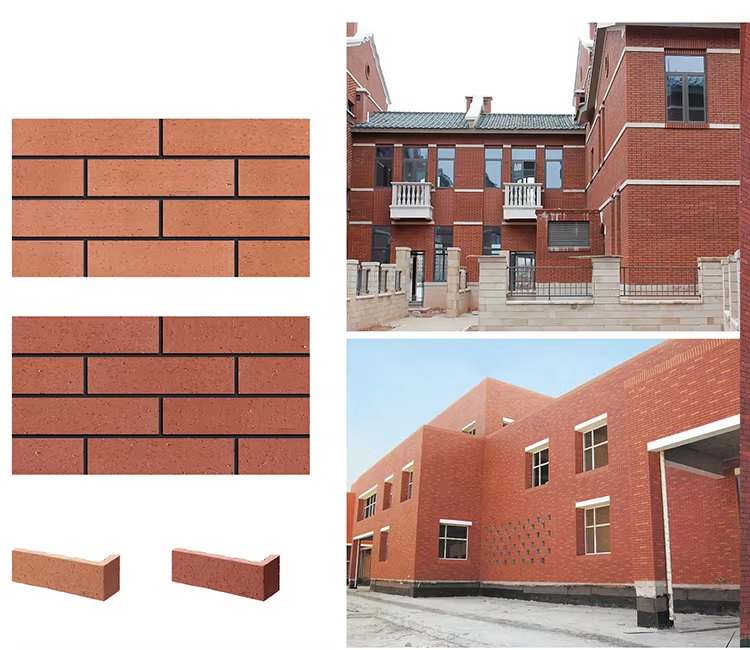
When selecting clay split tiles, designers and project owners should consider:
A well-selected ceramic material can become more than a decorative finish—it can help define the character of the entire space.

Clay split tiles represent the continuing evolution of natural ceramic materials in modern architecture. By combining traditional clay craftsmanship with flexible design possibilities, they provide architects and designers with a unique way to introduce texture, warmth, and authenticity into architectural spaces.
From residential projects to landscape designs and cultural buildings, clay split tiles offer a timeless material choice for creating visually rich environments.