- Call Us :+86 13663796880
- Email :nicole@sfrooftile.com
- Working hours :24 hours a day
- Language :Chinese

Nicole Zhang
+86 13663796880
+86-379-63262958
nicole@sfrooftile.com
Traditional architecture often communicates its identity through the roof. In Japanese-style buildings, the roof is not only a protective structure against rain and weather but also an important visual element that defines the character of the entire building. From garden pavilions and private villas to cultural landscape projects, Japanese roof tiles continue to be selected for their balance of craftsmanship, durability, and traditional appearance.
For architects, landscape designers, and project developers, choosing the right roofing material is not only about appearance. The roof needs to match the building style, structural requirements, installation conditions, and long-term maintenance expectations. Japanese clay roof tiles, also known as Kawara roof tiles, provide a traditional roofing solution that connects historical aesthetics with modern architectural applications.
Japanese roof tiles have been used for centuries in temples, traditional residences, and cultural buildings. The combination of curved profiles, carefully arranged tile lines, and refined roof details creates a distinctive architectural style.
Unlike simple roofing materials that only cover the structure, Japanese style roof tiles contribute to the overall visual balance of a building. Their smooth surfaces, natural colors, and traditional forms help create a calm and harmonious atmosphere, which is especially suitable for garden environments and landscape architecture.
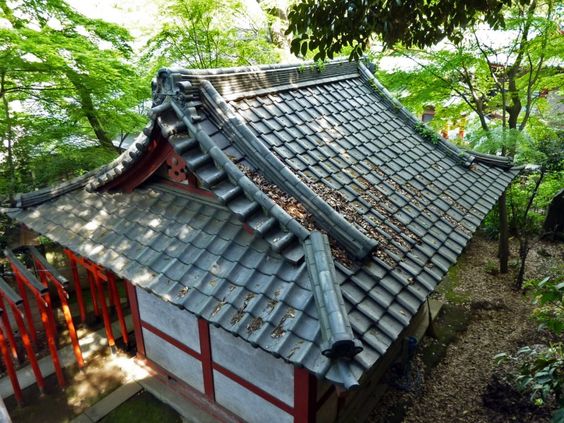
Common design features include:
These elements allow Japanese roof tiles to work well in projects where cultural identity and design quality are important.
One of the most common applications of Japanese roof tiles is on pavilions and garden structures. Small architectural spaces such as tea houses, wooden gazebos, and landscape pavilions often rely on roof design to create a strong visual impression.
For these projects, Japanese roof tiles can complement:
The combination of timber structures and ceramic roofing creates a natural connection between architecture and the surrounding environment.
For villa projects, Japanese roof tiles can add a traditional character while maintaining a refined appearance. Designers often use them to create buildings inspired by Japanese aesthetics, where simplicity, proportion, and harmony with nature are key considerations.
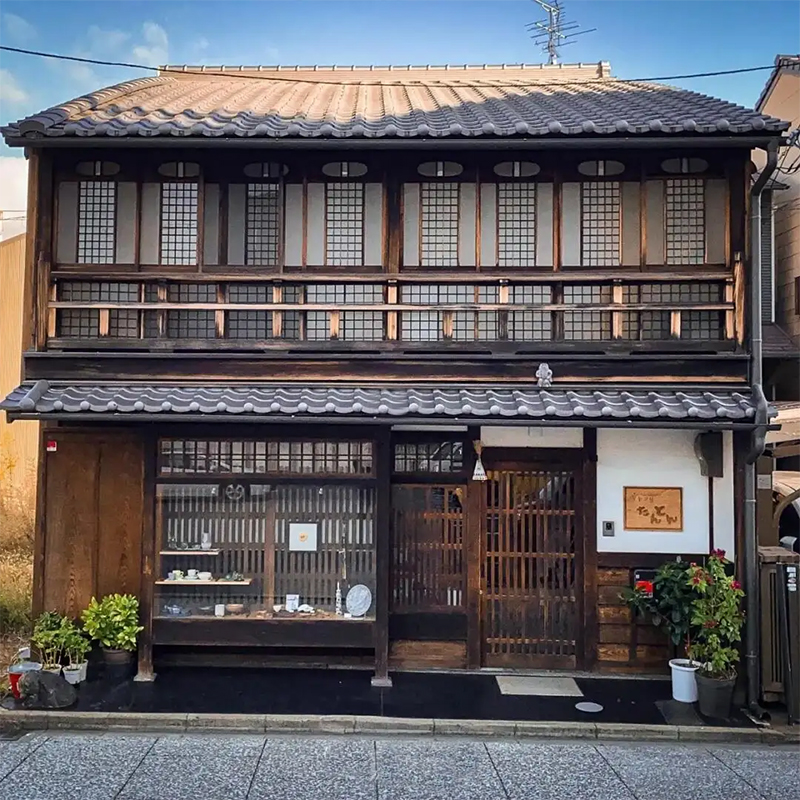
When selecting Japanese roof tiles for a project, several factors should be considered:
The tile profile, color, and decorative details should match the overall building design. Traditional gardens, temples, and wooden pavilions may require different visual approaches compared with modern villas.
The roof design, slope, and supporting structure influence the suitable tile selection. Early communication between designers, contractors, and suppliers helps ensure better project coordination.
For international projects, factors such as packaging, transportation, replacement support, and technical communication are also important. A reliable supplier should understand not only tile production but also practical requirements during overseas delivery.
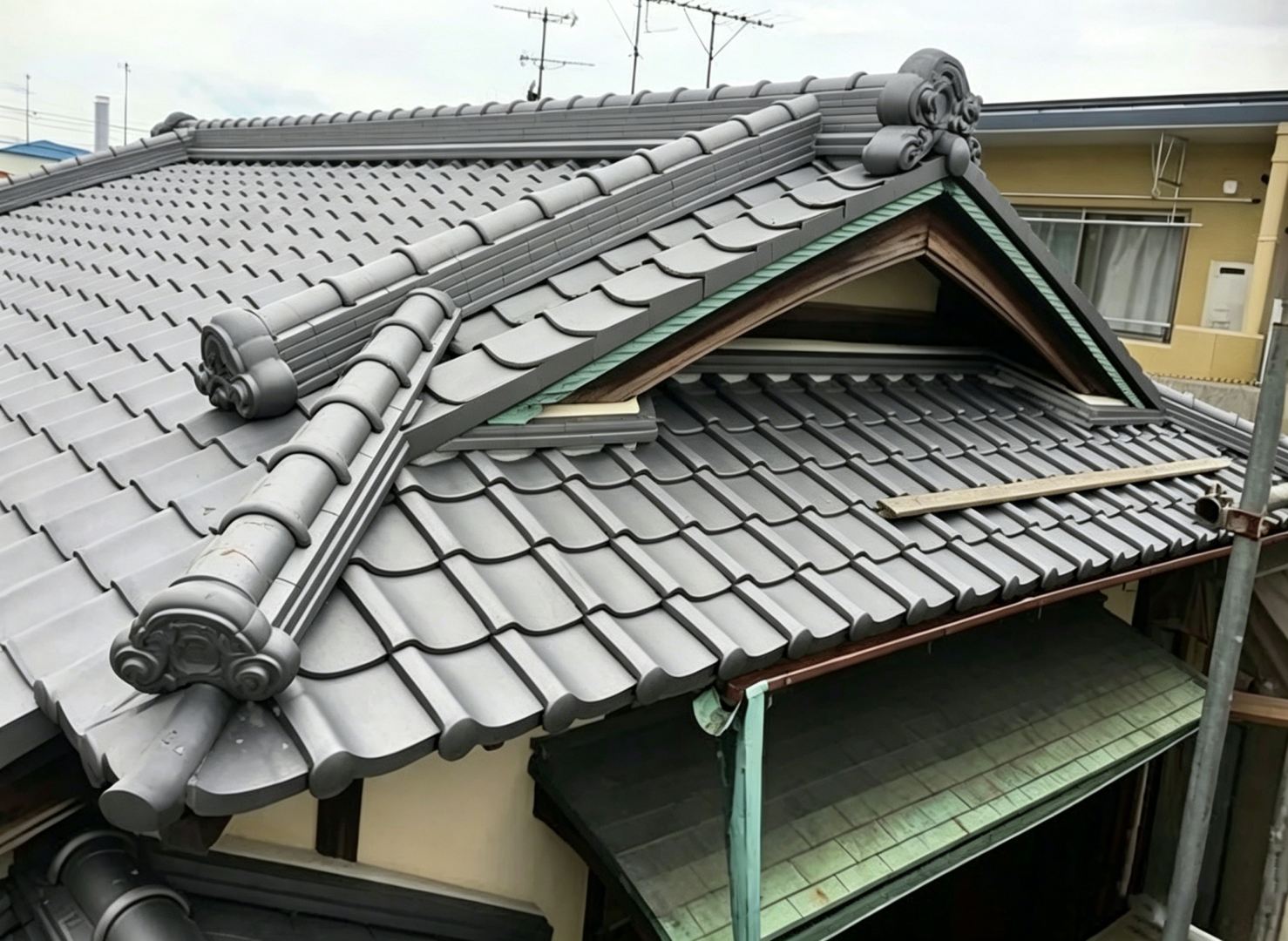
Today, Japanese roof tiles continue to inspire architects who want to combine traditional aesthetics with contemporary construction. Whether used for a peaceful garden pavilion, an elegant villa, or a cultural landscape project, they provide a distinctive roofing style that reflects craftsmanship and architectural heritage.
At Dannuo Gardens, we provide traditional roofing materials including Japanese roof tiles, Chinese clay roof tiles, and customized roof tile accessories for global architectural projects. With experience in overseas supply and traditional building materials, we support customers in selecting suitable roofing solutions for different design concepts and applications.
Japanese roof tiles are more than a covering material — they are an architectural element that brings together function, craftsmanship, and timeless design.