- Call Us :+86 13663796880
- Email :nicole@sfrooftile.com
- Working hours :24 hours a day
- Language :Chinese

Nicole Zhang
+86 13663796880
+86-379-63262958
nicole@sfrooftile.com
Modern architectural design is increasingly focused on creating spaces that combine visual identity, natural ventilation, privacy, and connection with surrounding environments. In this trend, breeze blocks have become a popular architectural material for architects, designers, and developers worldwide.
Originally developed as decorative ventilation blocks, modern breeze blocks are now widely used in facade design, interior decoration, landscape projects, and commercial architecture. Their unique patterns allow designers to control light, airflow, and privacy while creating distinctive architectural features.
Among the different types available today, Terracotta Breeze Blocks, Concrete Breeze Blocks, and Cement Breeze Blocks are three commonly selected materials. Although they share similar decorative functions, each material has different characteristics and application advantages.
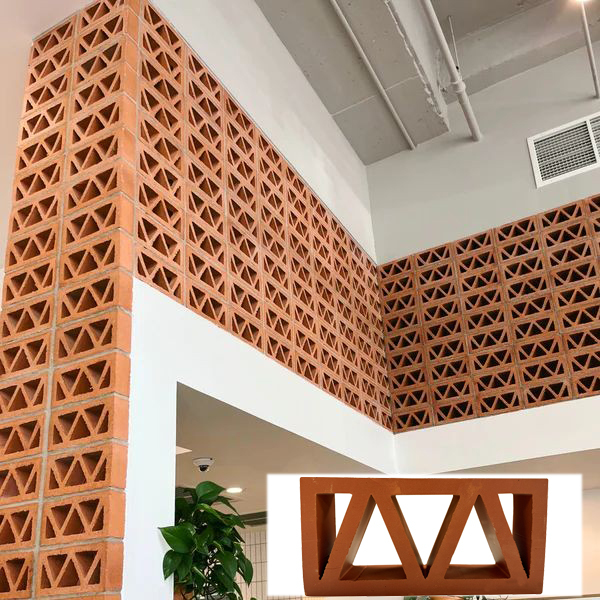
Terracotta Breeze Blocks are made from natural clay and fired at high temperatures, creating a warm appearance with unique ceramic textures. Their natural color variations and handcrafted character make them ideal for projects that require both functionality and architectural expression.
Because of their organic appearance, terracotta breeze blocks are often used in:
In modern architectural design, terracotta breeze blocks are frequently combined with materials such as concrete, glass, and steel. This combination creates a balance between traditional craftsmanship and contemporary architectural styles.
The natural surface texture of terracotta also makes it suitable for designers seeking materials with visual depth and a connection to traditional building techniques.
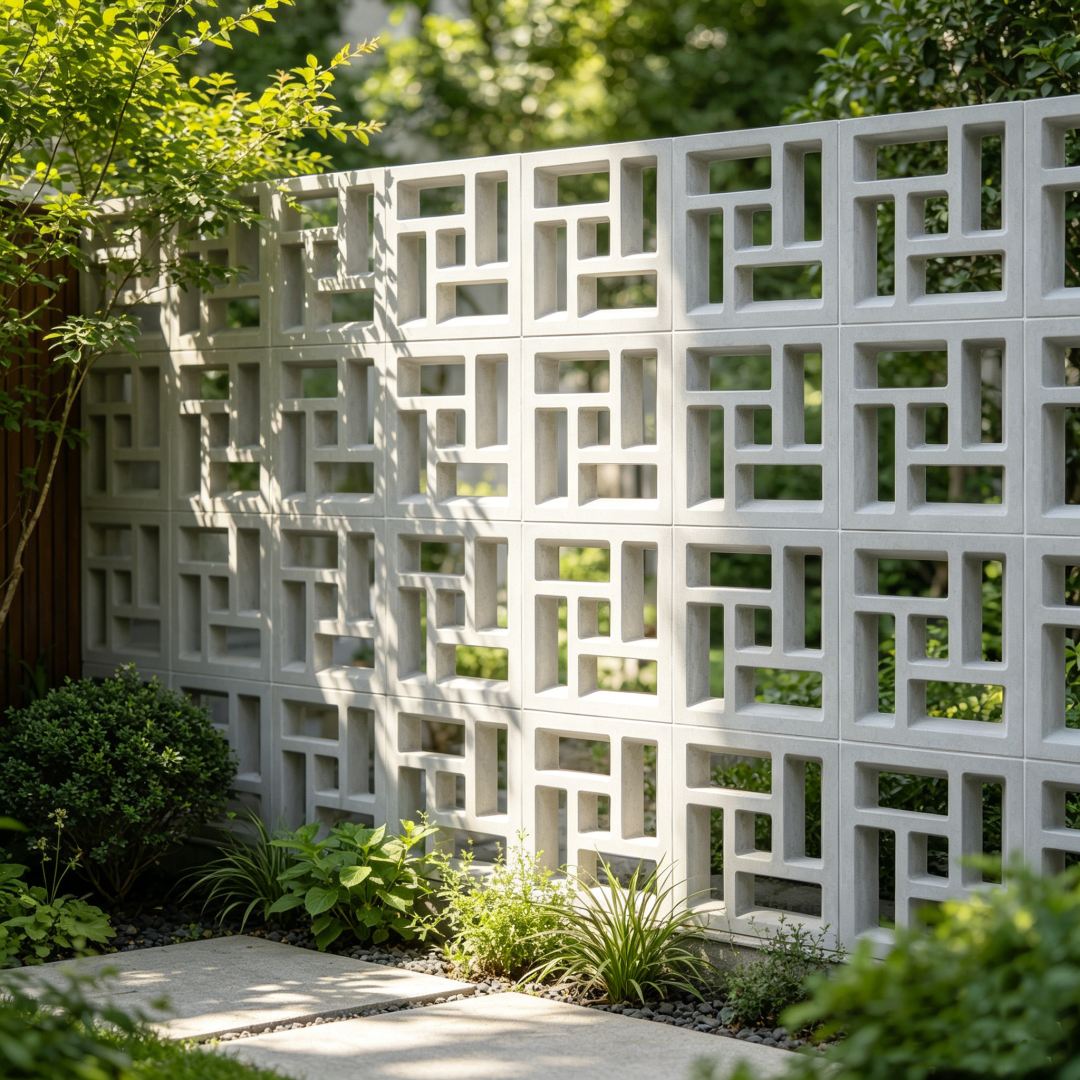
Concrete Breeze Blocks are widely selected for outdoor architectural projects where durability and structural stability are important considerations.
Compared with other breeze block materials, concrete breeze blocks are commonly used for exterior environments because of their solid composition and resistance to outdoor conditions.
Typical applications include:
Concrete breeze blocks are especially suitable for large-scale architectural projects because they can be produced in various patterns, sizes, and finishes. Their modular design allows architects to create repeated geometric patterns while maintaining a practical construction approach.
For projects requiring stronger outdoor performance and long-term exposure resistance, concrete breeze blocks are often a preferred choice.
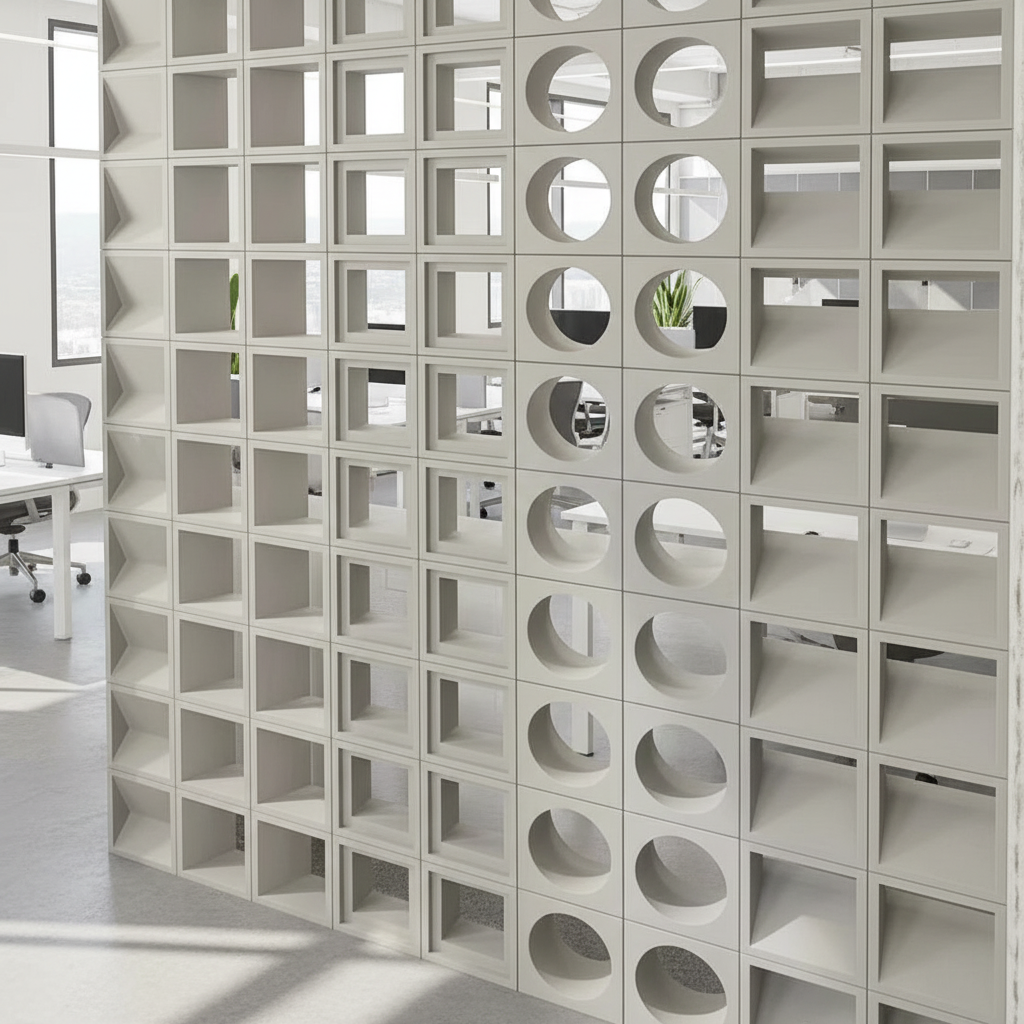
Cement Breeze Blocks are known for their clean white appearance and decorative qualities. Compared with concrete breeze blocks, cement breeze blocks generally focus more on visual design and interior applications rather than high-strength exterior performance.
Their bright surface and refined appearance make them popular in modern interior spaces where designers want to create open, elegant, and artistic environments.
Common applications include:
The light color of cement breeze blocks helps create a minimalist and contemporary atmosphere. When combined with lighting, plants, wood, or natural materials, their patterned openings can produce attractive shadow effects and visual layers.
For indoor architectural projects that prioritize aesthetics and spatial experience, cement breeze blocks provide a decorative solution with a distinctive appearance.
The popularity of breeze blocks reflects a wider movement in architecture: creating spaces that are both functional and visually engaging.
Selecting the right breeze block depends on the project location, design requirements, and expected performance.
Understanding these differences helps architects and developers select the most suitable breeze block solution for each project.
Terracotta Breeze Blocks, Concrete Breeze Blocks, and Cement Breeze Blocks each provide unique possibilities for modern architectural design. From natural terracotta facades and durable concrete exterior screens to elegant white cement interior partitions, breeze blocks continue to evolve as versatile architectural materials.
By combining decorative patterns with practical functions such as ventilation, privacy, and spatial division, breeze blocks offer architects new opportunities to create distinctive residential, commercial, and landscape environments.