- Call Us :+86 13663796880
- Email :nicole@sfrooftile.com
- Working hours :24 hours a day
- Language :Chinese

Nicole Zhang
+86 13663796880
+86-379-63262958
nicole@sfrooftile.com
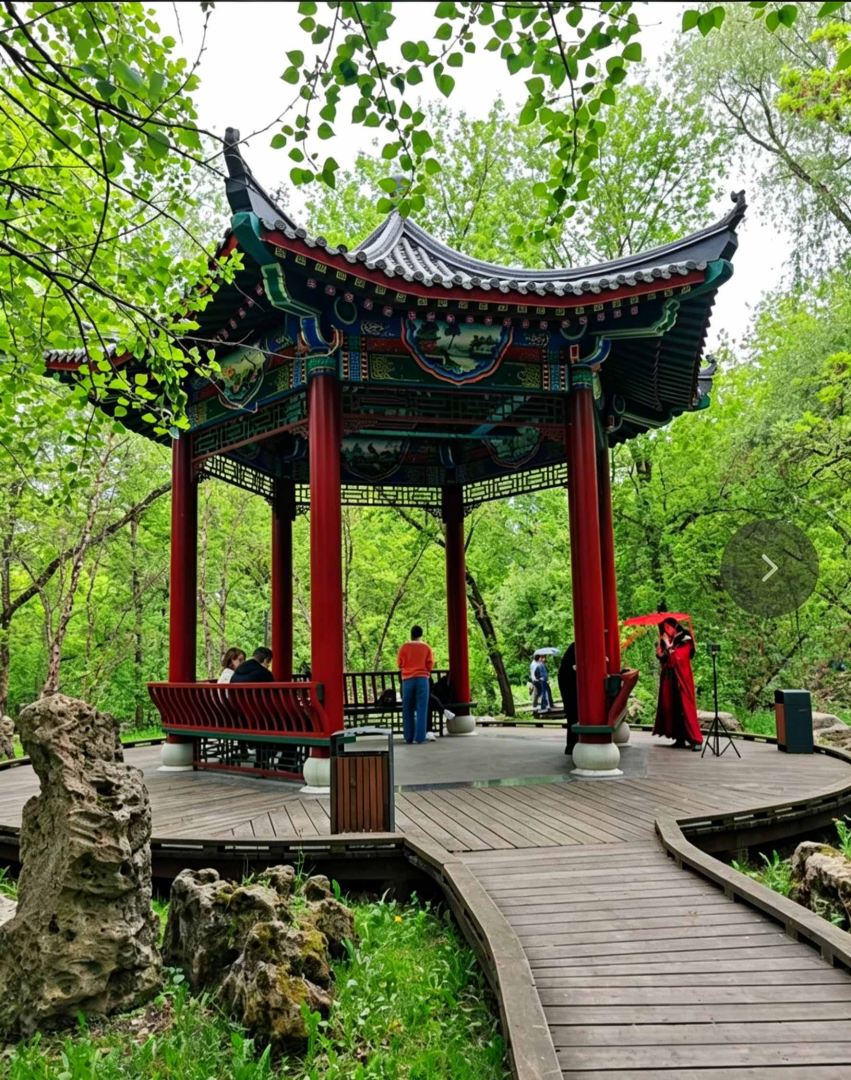
A traditional Chinese pavilion (known as ting) is one of the most charming and recognizable elements of classical Chinese architecture. Though small in scale, it carries a deep cultural meaning and showcases the brilliance of ancient building techniques. You can find pavilions in gardens, parks, temple grounds, and even along mountain paths. They are never designed to compete with nature but to blend into it – offering a quiet spot to pause, reflect, and admire the scenery.
Structure and materials: wood and tile working as one
The pavilion is built around a wooden frame. Skilled carpenters use columns, beams, purlins, and rafters joined together with sunmao (mortise‑and‑tenon) connections – no nails or metal fasteners are needed. This ancient joinery technique allows the structure to flex slightly during wind or seismic movement, which adds to its durability. The wood is typically pine, cypress, or fir, chosen for its strength and resistance to decay.
On top of the wooden frame sits the roof, which is covered with traditional clay tiles. These tiles are often curved or semi‑cylindrical, glazed in grey, dark green, or yellow. In imperial gardens or temples, the roof might use bright yellow or green glazed tiles, while common gardens prefer elegant grey tiles. The roof ridges are decorated with small animal figures or floral patterns – not only for beauty but also to symbolise protection against evil spirits.
The roof forms: more than just shelter
Unlike simple Western garden shelters, the Chinese pavilion’s roof is carefully designed. Most pavilions have a hip‑and‑gable roof (xieshan) or a pyramidal roof with four sloping sides. The eaves curve gently upward at the corners, which is a signature feature of classic Chinese architecture. This upward curve not only looks elegant but also allows more sunlight to enter during winter and provides extra shade in summer.
Uses and functions: from rest to ritual
Pavilions serve many purposes. The most common use is a resting place for travellers or garden visitors. In large classical gardens such as those in Suzhou or Beijing, pavilions are positioned at scenic viewpoints – perfect for enjoying a pond, rockery, or flower grove. Scholars and poets would gather inside to write, paint, or play the qin (guqin). Tea ceremonies are often held in pavilions, especially during spring or autumn.
In addition, pavilions have practical functions. Some are built to shelter a well, a stone tablet, or a famous calligraphy inscription. During heavy rain, a pavilion offers protection. In hot summer, its deep shade and open sides allow breezes to pass through, making it a natural cooling spot.
Cultural meaning
The pavilion also symbolises the Chinese concept of feng liu – a free, leisurely spirit. To sit in a pavilion is to step away from worldly worries and reconnect with nature. Many ancient poems describe the joy of a pavilion in the mountains. Even today, modern parks in China, Japan, and Western countries continue to build these pavilions as places of peace and beauty.
In summary, the traditional Chinese pavilion is not just a wooden roof on four posts. It is a perfect marriage of material, craft, and philosophy – a timeless creation that invites everyone to slow down and enjoy a moment of harmony.