- Call Us :+86 13663796880
- Email :nicole@sfrooftile.com
- Working hours :24 hours a day
- Language :Chinese

Nicole Zhang
+86 13663796880
+86-379-63262958
nicole@sfrooftile.com
Ancient Chinese architecture primarily used a timber frame system, with wood as the main building material. However, wood has inherent drawbacks, especially its susceptibility to decay. So how did the ancient Chinese manage to preserve a building for thousands of years? How were preservation treatments carried out during the construction of ancient buildings?
First, to extend the lifespan of a building, the wood was carefully selected. Important buildings used corrosion-resistant and hard woods such as camphorwood and nanmu. General buildings often used pine and fir. Different tree species were used within a single building depending on the location, especially for load-bearing components like beams and columns, where the best wood was used, with thorough consideration given to preservation.
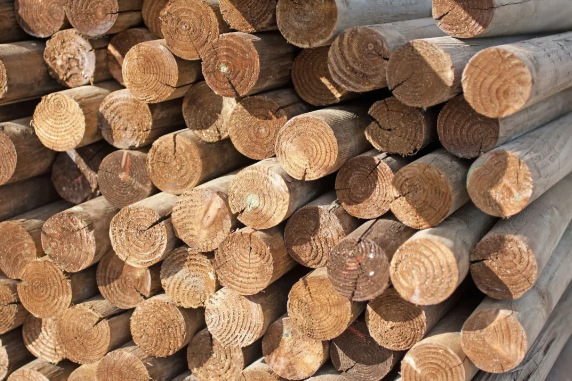
Second, felled timber could not be used directly; it had to undergo thorough drying. Ancient construction involved a long preparation period, one important purpose of which was to allow the wood to dry naturally. Craftsmen skillfully stacked logs into piles, ensuring ventilation from all sides while protecting the wood from direct sunlight and rain. This process could last for months or even years, until the wood was fully dried before it could be used in the construction.
Then, oil and paint were applied to the surface of the wooden components, which not only decorated the ancient building but also served as a good preservative. The "oil" was tung oil; applying processed tung oil to the beams and columns isolated them from moisture and oxygen, effectively preventing the wood from rotting. The brightly colored paintings on the wooden components also served the same purpose.
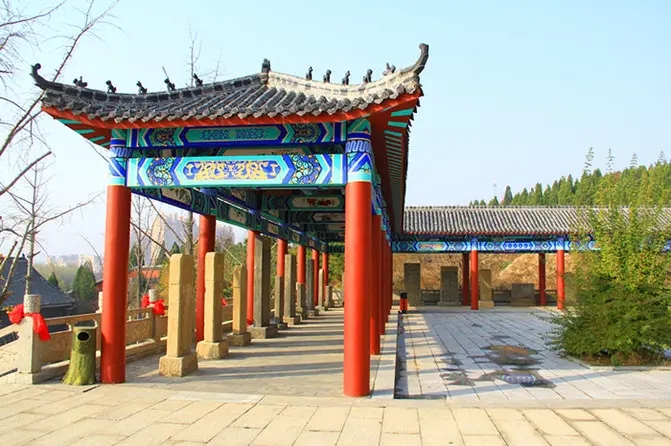
The parts of the wooden components in contact with the ground were often the most susceptible to decay, such as the base of columns and the bottom of doors and windows. Therefore, ancient craftsmen never allowed these wooden components to come into direct contact with the ground, often using stone to separate them. The column bases and the brick and stone foundations at the base of ancient buildings all provided excellent protection against decay.
The deep, projecting eaves are a major feature of ancient Chinese architecture. An important function of the eaves is to prevent rainwater from hitting the wooden components. Even in heavy rain, the exterior wooden components of ancient buildings remained dry under the shelter of the eaves, effectively preventing dampness and rot. In addition, special anti-corrosion treatments are applied to parts of the roof that are easily exposed to rainwater, such as the sheathing boards, eaves rafters, and fascia boards. These treatments include filling with lime charcoal and soaking in lime water.
However, despite these numerous anti-corrosion measures, wood's inherent susceptibility to decay is irreversible. Therefore, it requires ongoing maintenance to ensure its longevity.