- Call Us :+86 13663796880
- Email :nicole@sfrooftile.com
- Working hours :24 hours a day
- Language :Chinese

Nicole Zhang
+86 13663796880
+86-379-63262958
nicole@sfrooftile.com
Beneath the magnificent exterior of ancient Chinese architecture—with its upturned eaves, carved beams, and painted rafters—lies a sophisticated system of symbols. These symbols are not merely aesthetic representations, but also cultural codes, concrete expressions of the Chinese people's understanding of heaven and earth, human relationships, and beliefs over millennia. Each decoration carries a specific symbolic meaning, weaving together a three-dimensional cultural canon.
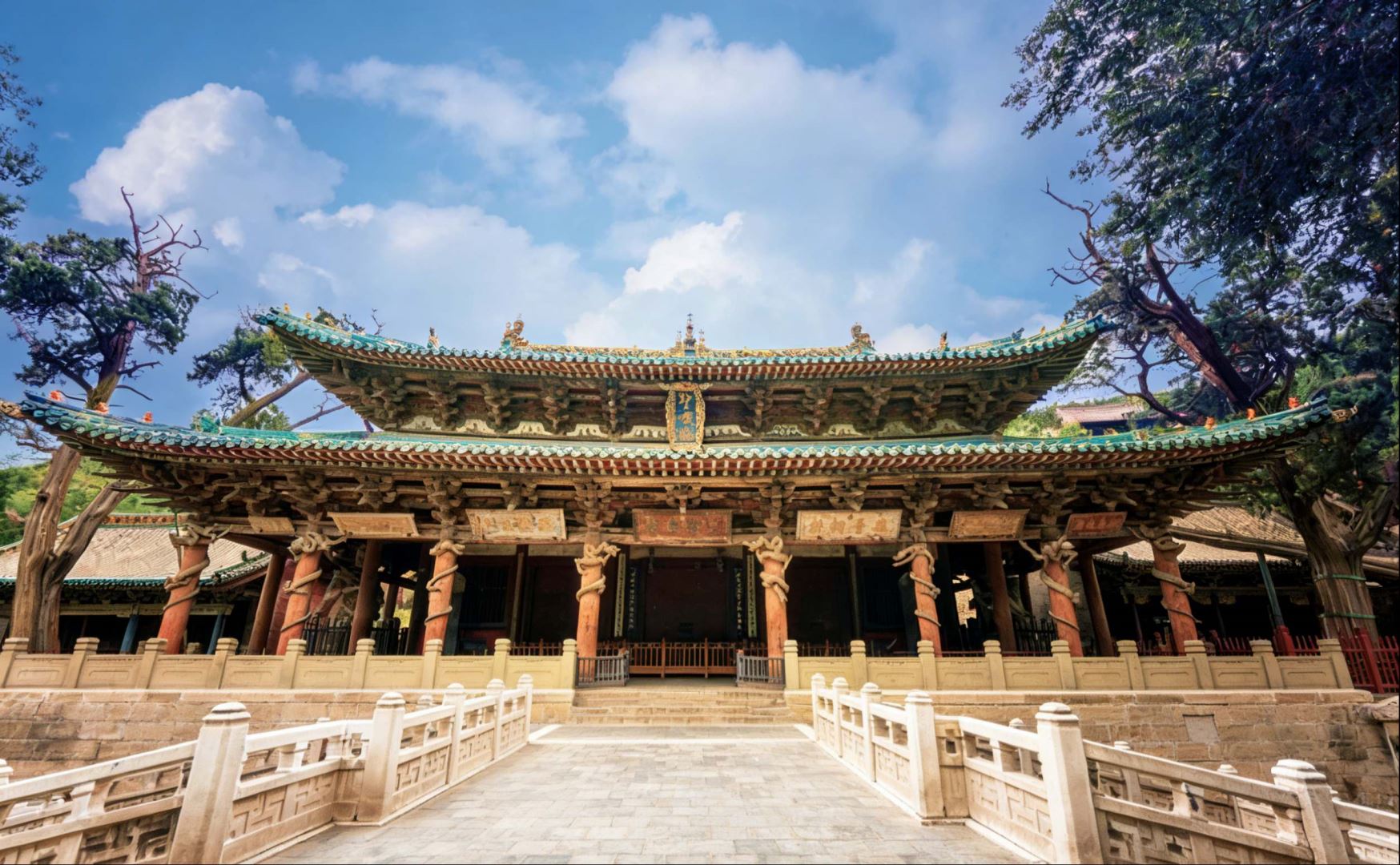
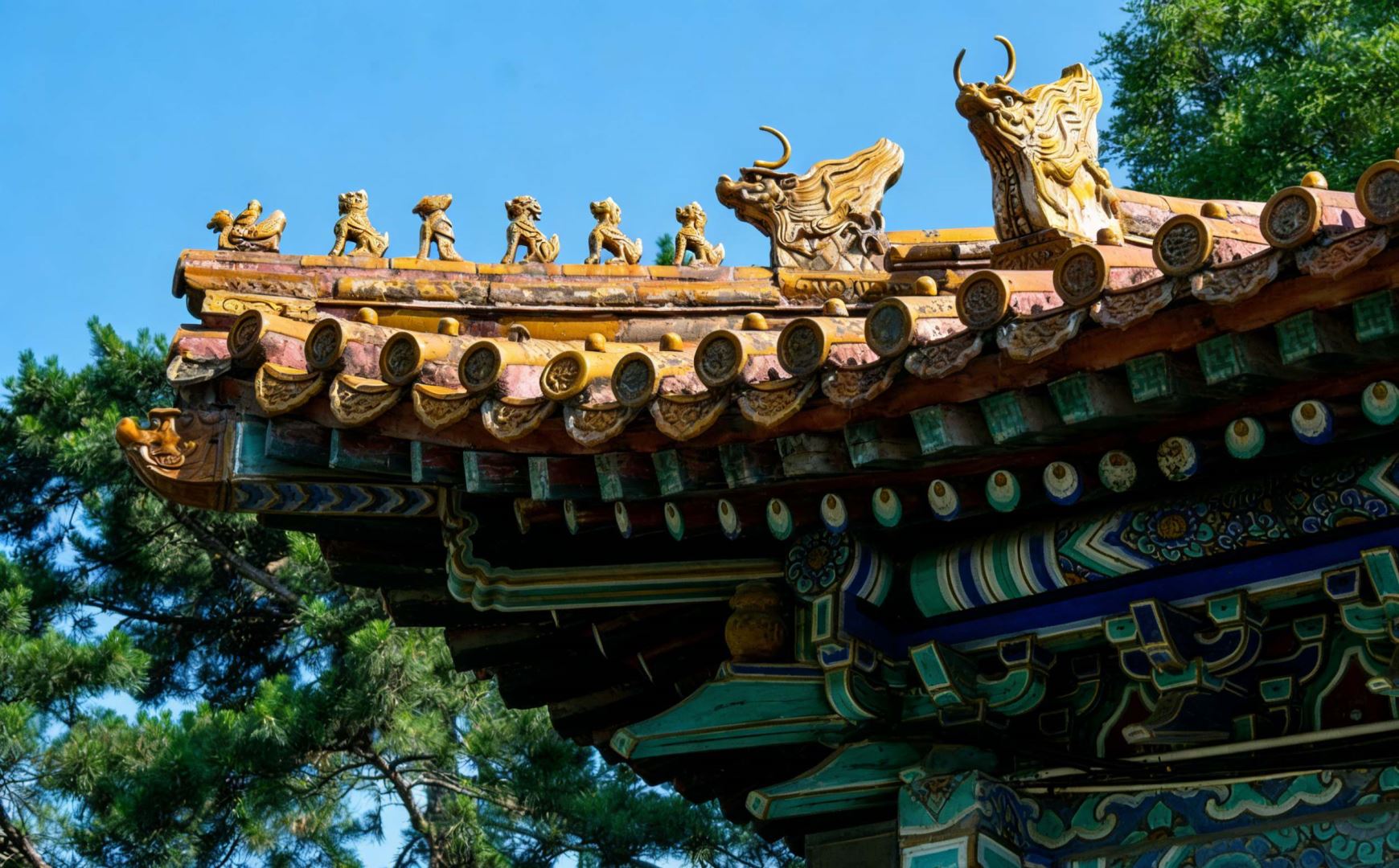
The roofs of ancient Chinese buildings are far more than just functional components for shelter from wind and rain. The upward-curving eaves, light and graceful like bird wings, carry a deeper symbolism: the roof's curves mimic the arc of the sky, the upturned eaves pointing towards the heavens, expressing the ancient Chinese worldview of "harmony between heaven and man." The number and types of mythical beasts arranged on the roof ridge are also significant.
The Mechanics and Ritual of Dou Gong (bracket sets): Dou Gong is one of the most exquisite components of ancient Chinese architecture. Its layered projections, like blooming lotus flowers, not only distribute the weight of the roof but also create a unique visual rhythm. However, the number of layers and projections of the dougong (bracket sets) were symbols of social status in a society governed by ritual. During the Tang Dynasty, only palaces and temples were permitted to use seven-tiered dougong, while commoners' buildings were limited to the simplest dougong, or were even prohibited from using them altogether. The beauty of mechanics was imbued with a strict ritualistic connotation.
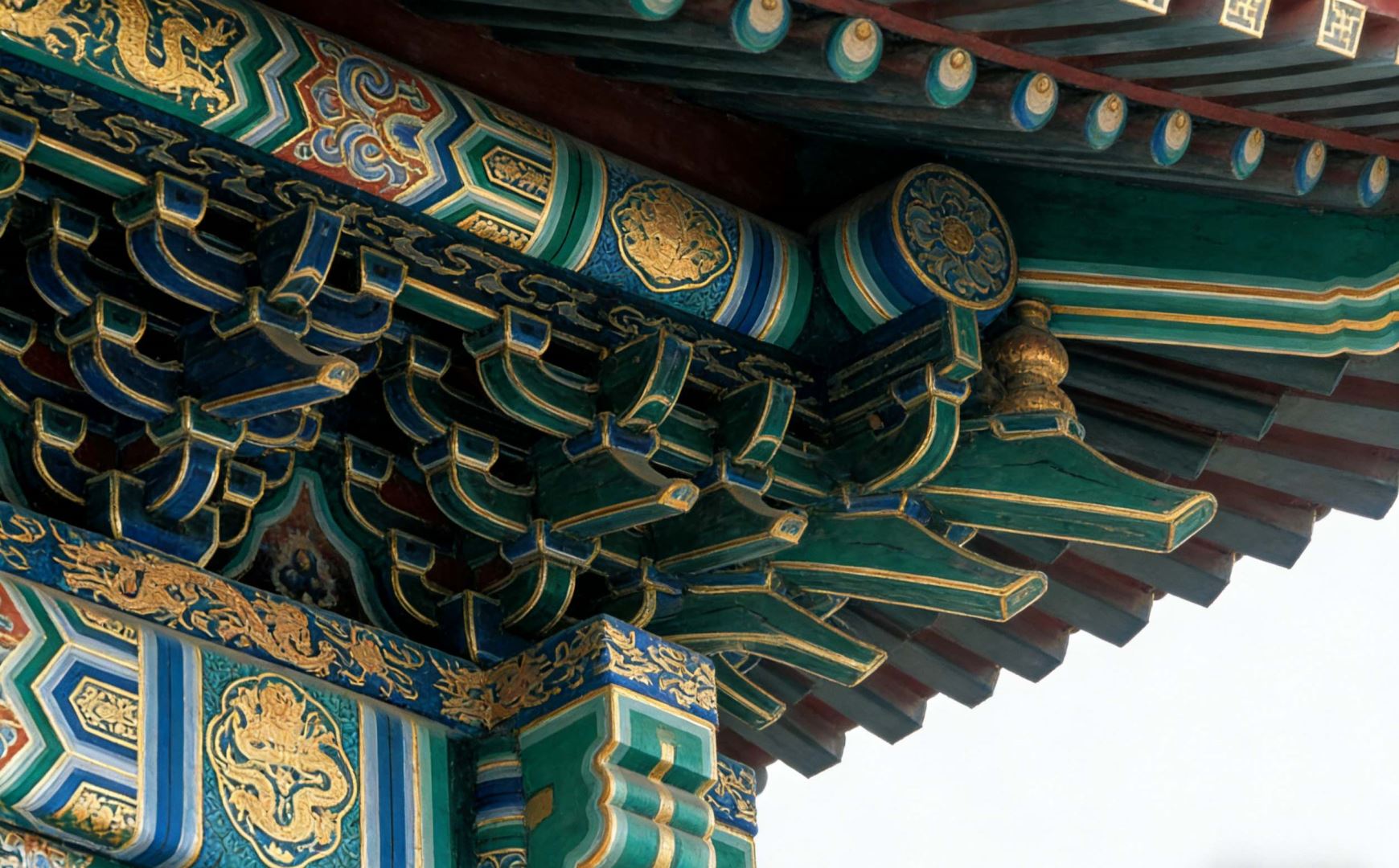
The beams and rafters of ancient buildings are often adorned with magnificent painted decorations. These colors are not merely decorations, but a rigorous system of symbols. Some were used exclusively in royal buildings, some in official buildings, and some in gardens.
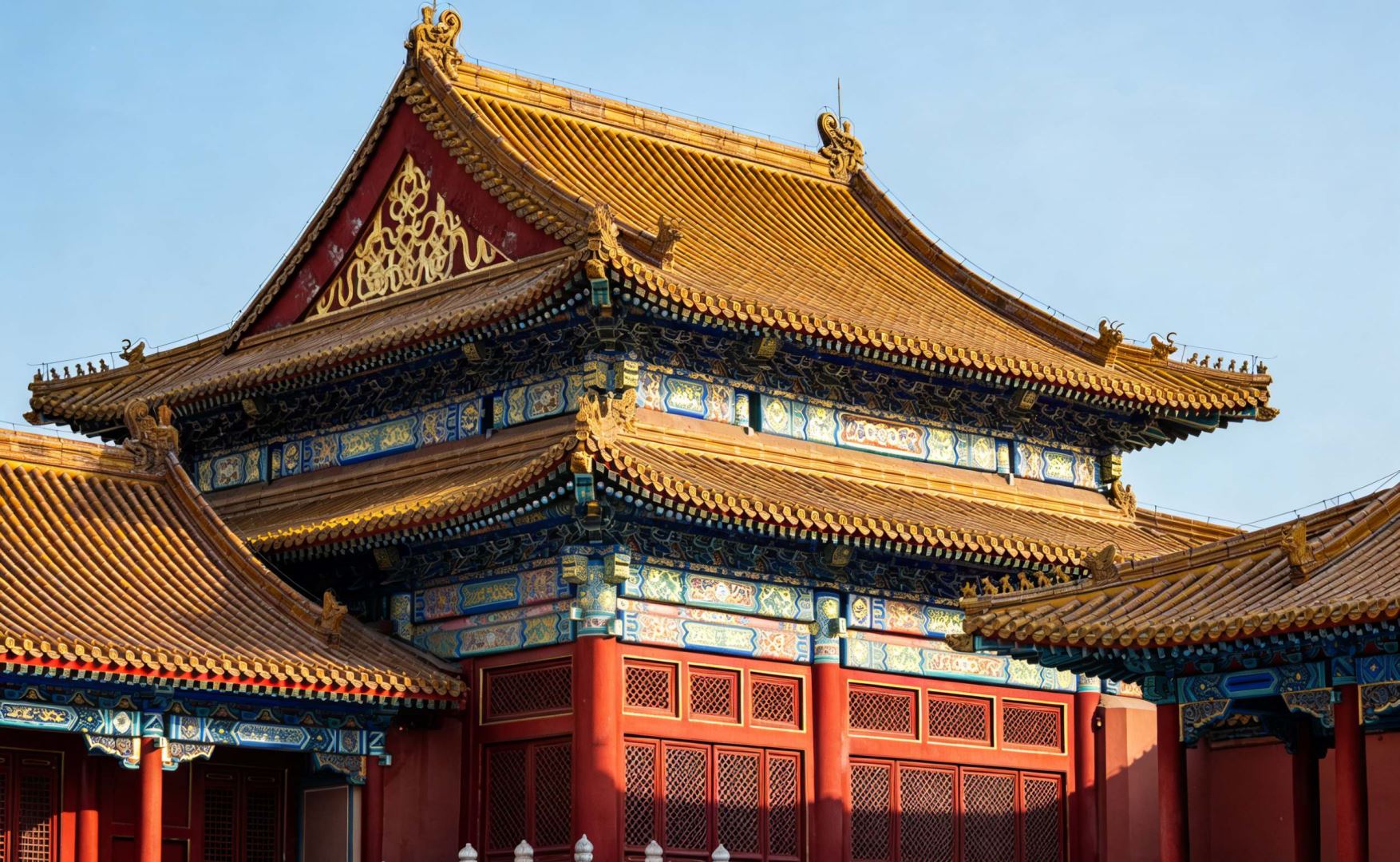
The decorations of ancient Chinese architecture are silent poetry, frozen music, and a three-dimensional cultural history. They engrave millennia of cultural genes onto wood and stone in the most direct way. When we look up at the flying eaves, touch the carvings, and decipher the symbols hidden in the details, we read not only the aesthetics of a nation, but also their profound understanding of the universe, life, and order. These decorations allow architecture to transcend physical space, becoming containers of culture and dwellings of the spirit.